→
Explore Mushrooms, fungi & myceliums
3 published entries in this Apothecary category.
 Mushrooms, fungi & myceliums
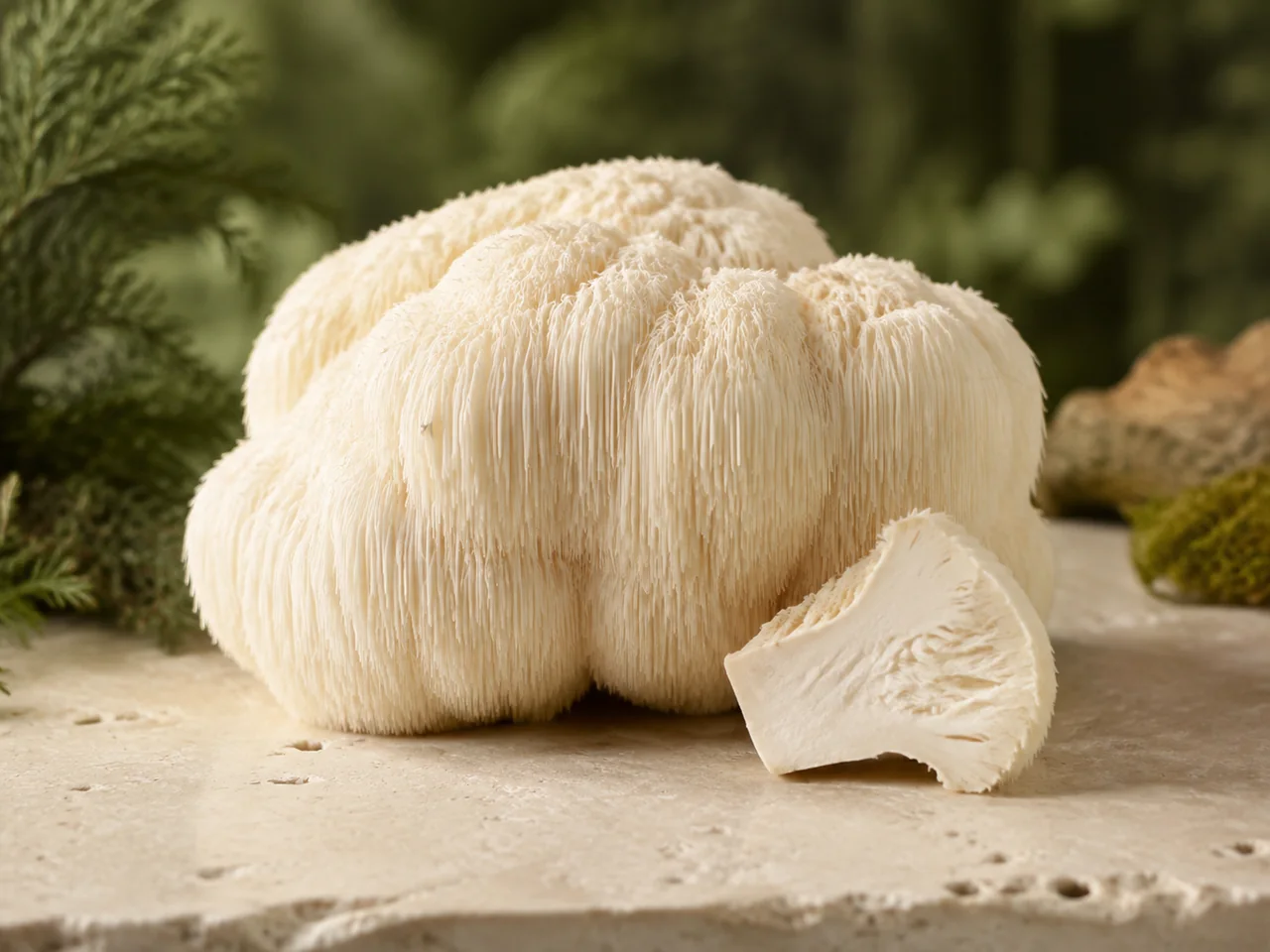
Lion's mane mushroom
Hericium erinaceusLion's mane is an edible mushroom and supplement ingredient; early cognition studies are small and tied to particular products.
Open entry →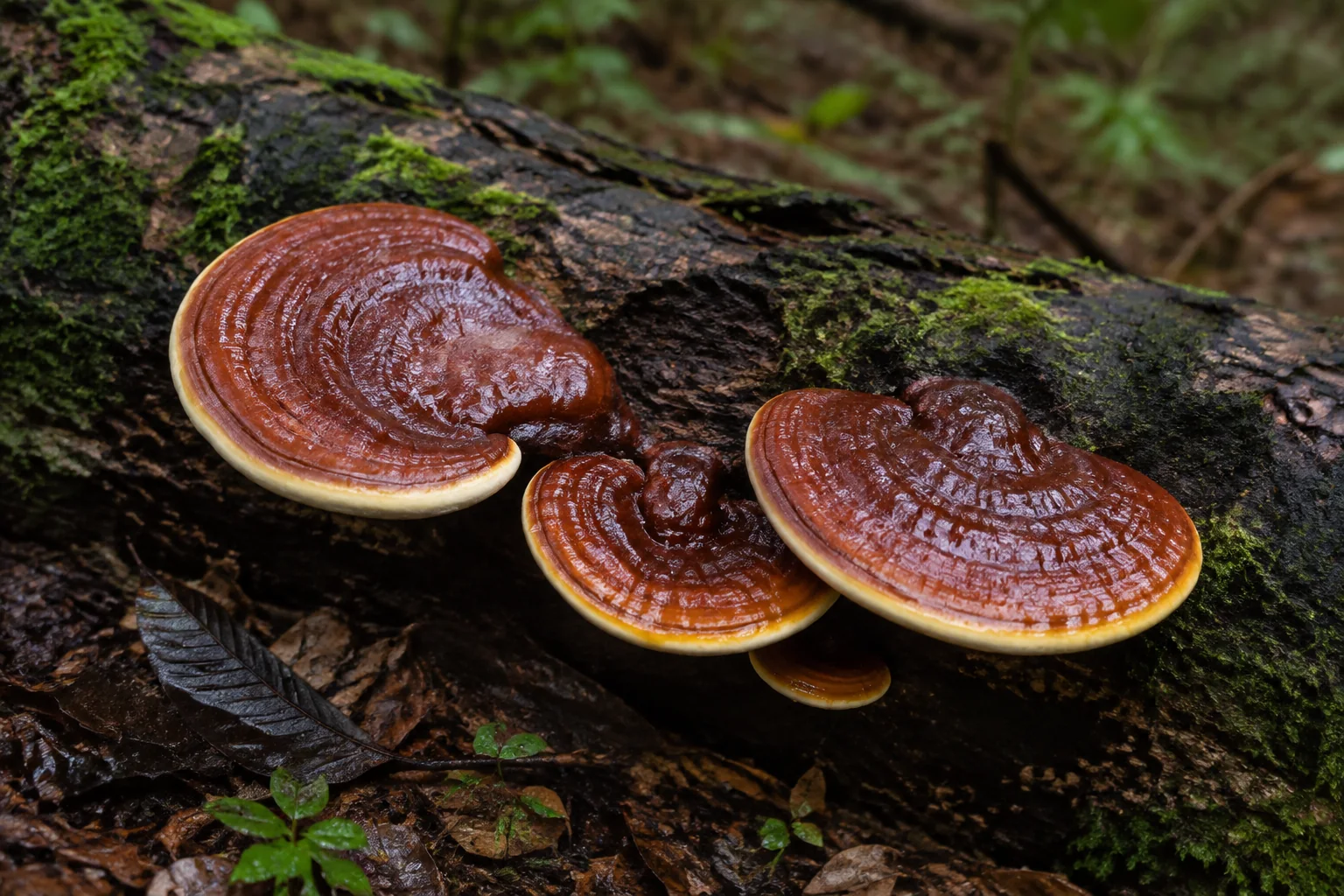 Mushrooms, fungi & myceliums
Reishi mushroom
Ganoderma species (source-specific identity required)Reishi, also called lingzhi, is sold as slices, decoctions, powders, extracts, capsules and spores; these products are not interchangeable.
Open entry → Mushrooms, fungi & myceliums
Cordyceps
Cordyceps militaris and source-specific fungal materialsCordyceps products vary by species, fungal material and manufacturing method, so a generic label does not identify what was studied.
Open entry →- Reishi
- Cordyceps
- Shiitake
- Turkey Tail
- Oyster Mushroom
- White Button Mushroom
- Maitake
- Chaga
01
Food mushrooms and concentrated supplements
A serving of a cultivated culinary mushroom is not equivalent to a capsule, powder or concentrated extract. Product form, species, serving and intended use must be identified before evidence or safety information can be interpreted.
02
Fruiting body and mycelium
The visible mushroom is a fruiting body; mycelium is the network of fungal threads that grows through a substrate. Commercial products may use either or both, so the label and testing information matter.
03
Powders, extracts and teas
A powder may be dried whole material, while an extract concentrates selected soluble constituents. Extraction method and concentration differ between products, and traditional tea use does not automatically validate a modern extract.
04
Traditional context and modern evidence
Traditional East Asian practices and other foodways provide historical context. Human clinical evidence is assessed separately, with preliminary findings clearly distinguished from established treatment.
05
Wild mushroom safety
Some wild mushrooms are poisonous and can resemble edible species. Washing, cooking, freezing or canning does not reliably neutralize many mushroom toxins; unknown wild mushrooms should not be eaten.
06
Choosing a product responsibly
Look for an exact species name, the part used, extract information, serving size and credible quality testing. Discuss concentrated products with a qualified clinician when medicines, pregnancy, breastfeeding, allergies or chronic conditions are involved.
S
Cornerstone sources
- Natural Toxins in FoodU.S. Food and Drug Administration
- Safe Use of Complementary Health Products and PracticesNational Center for Complementary and Integrative Health