Wellness guide
→Type 2 diabetes: holistic support and traditional plant knowledge
Explore food-first practices, traditional herbal context, current research, monitoring and interaction cautions for Type 2 diabetes.
Search the complete site
Site-wide results
Explore food-first practices, traditional herbal context, current research, monitoring and interaction cautions for Type 2 diabetes.

Explore plant-forward eating, traditional teas, complementary practices, home monitoring and medication-aware safety for high blood pressure.
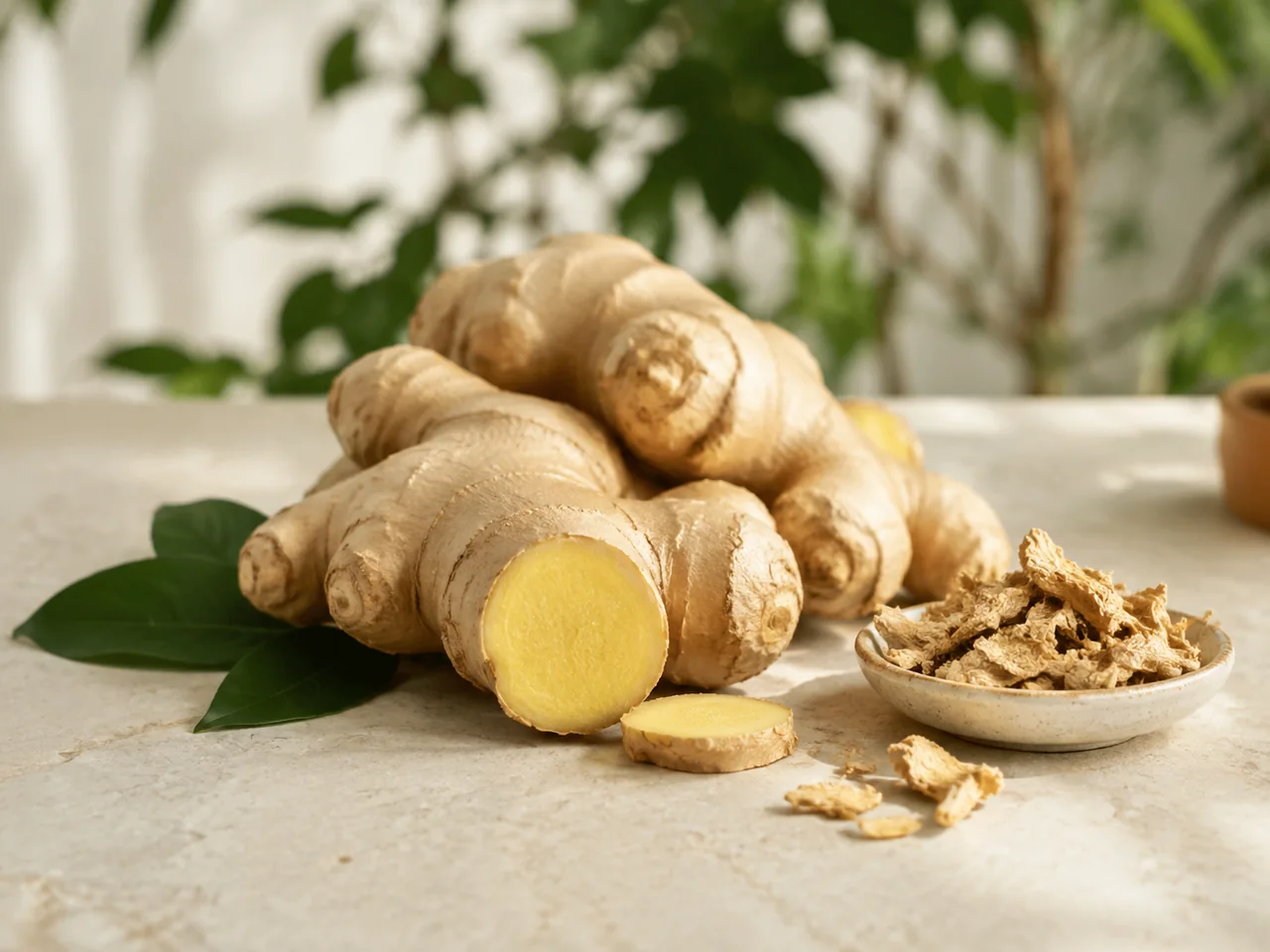
A warming culinary rhizome traditionally used for digestion and occasional nausea.
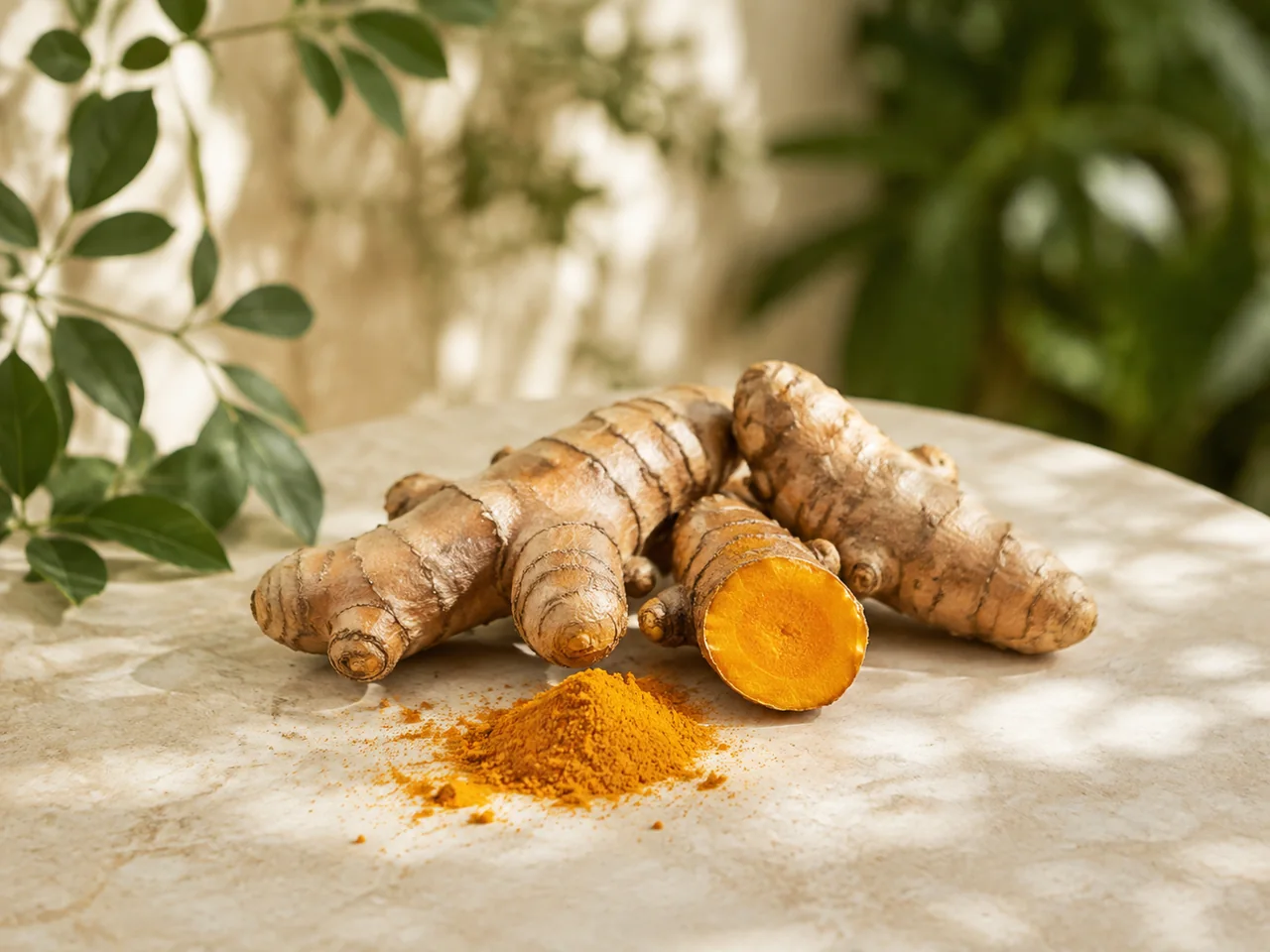
A golden rhizome used in food traditions and studied for its curcuminoid compounds.
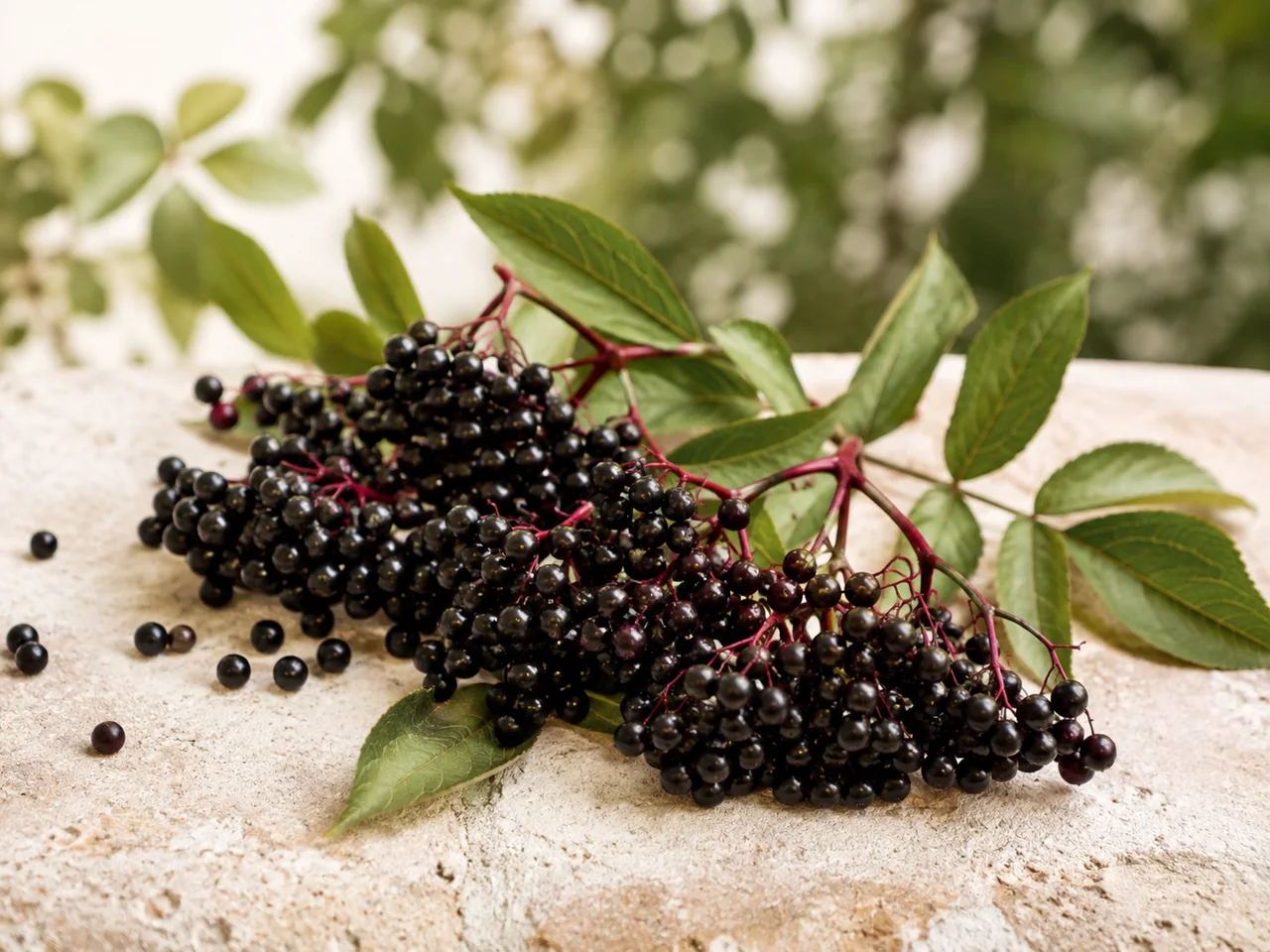
A dark berry with a long place in European seasonal wellness traditions.
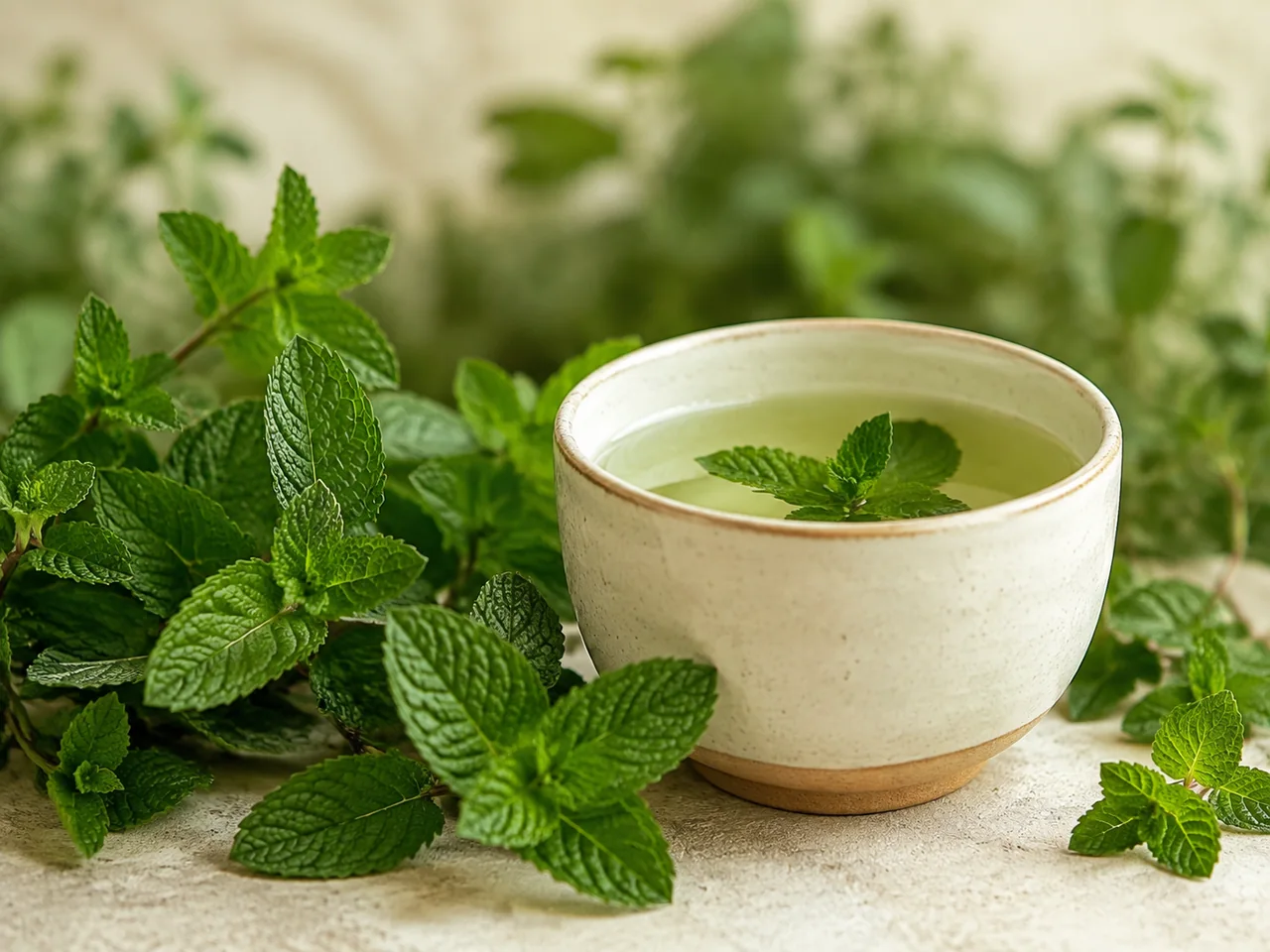
Peppermint leaf tea, culinary leaf, enteric-coated oil and essential oil are different forms with different evidence and safety considerations.
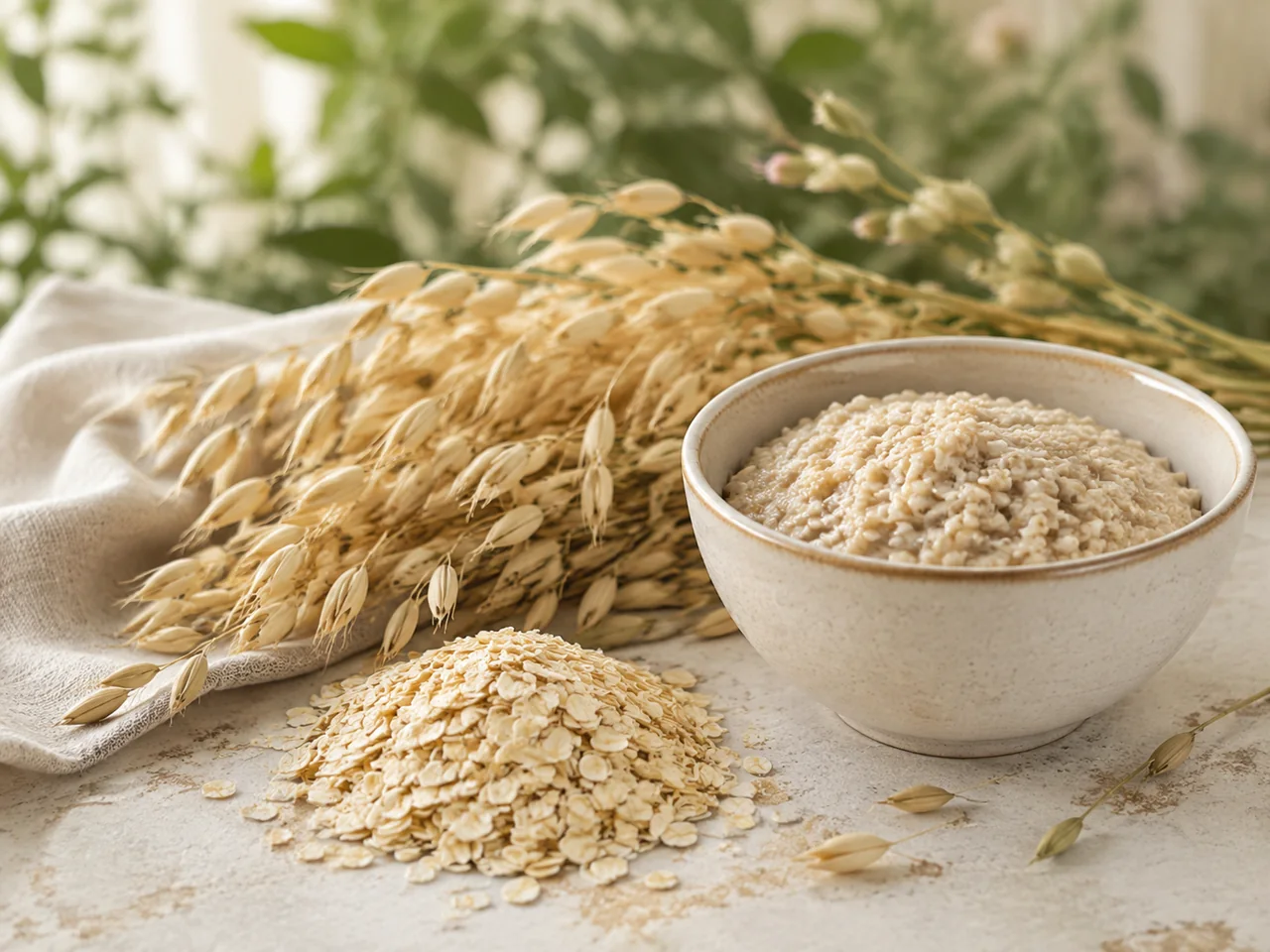
Oats are the grains of Avena sativa, eaten as a whole-grain food and used in distinct herbal and topical preparations.
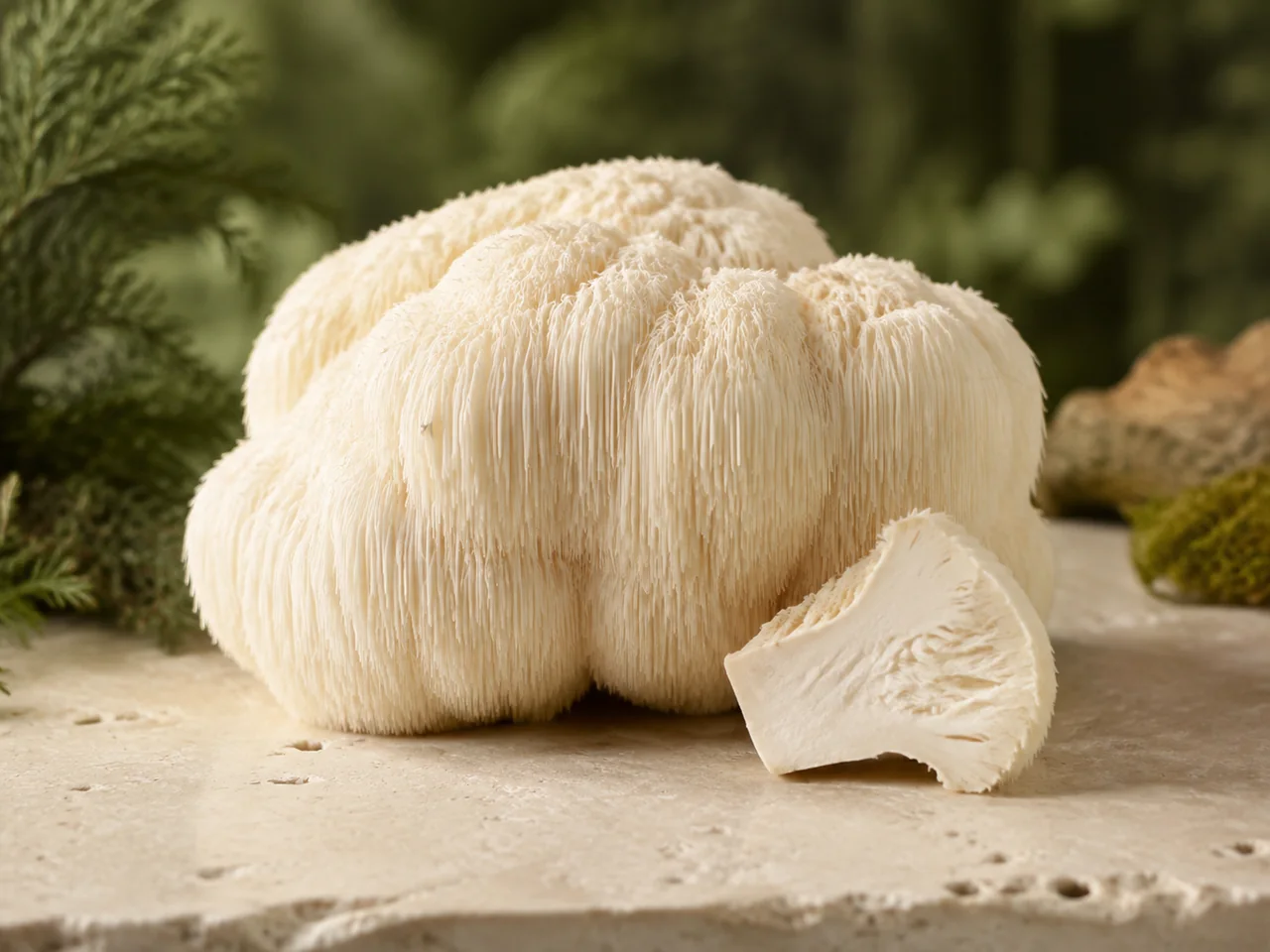
Lion's mane is an edible mushroom and supplement ingredient; early cognition studies are small and tied to particular products.
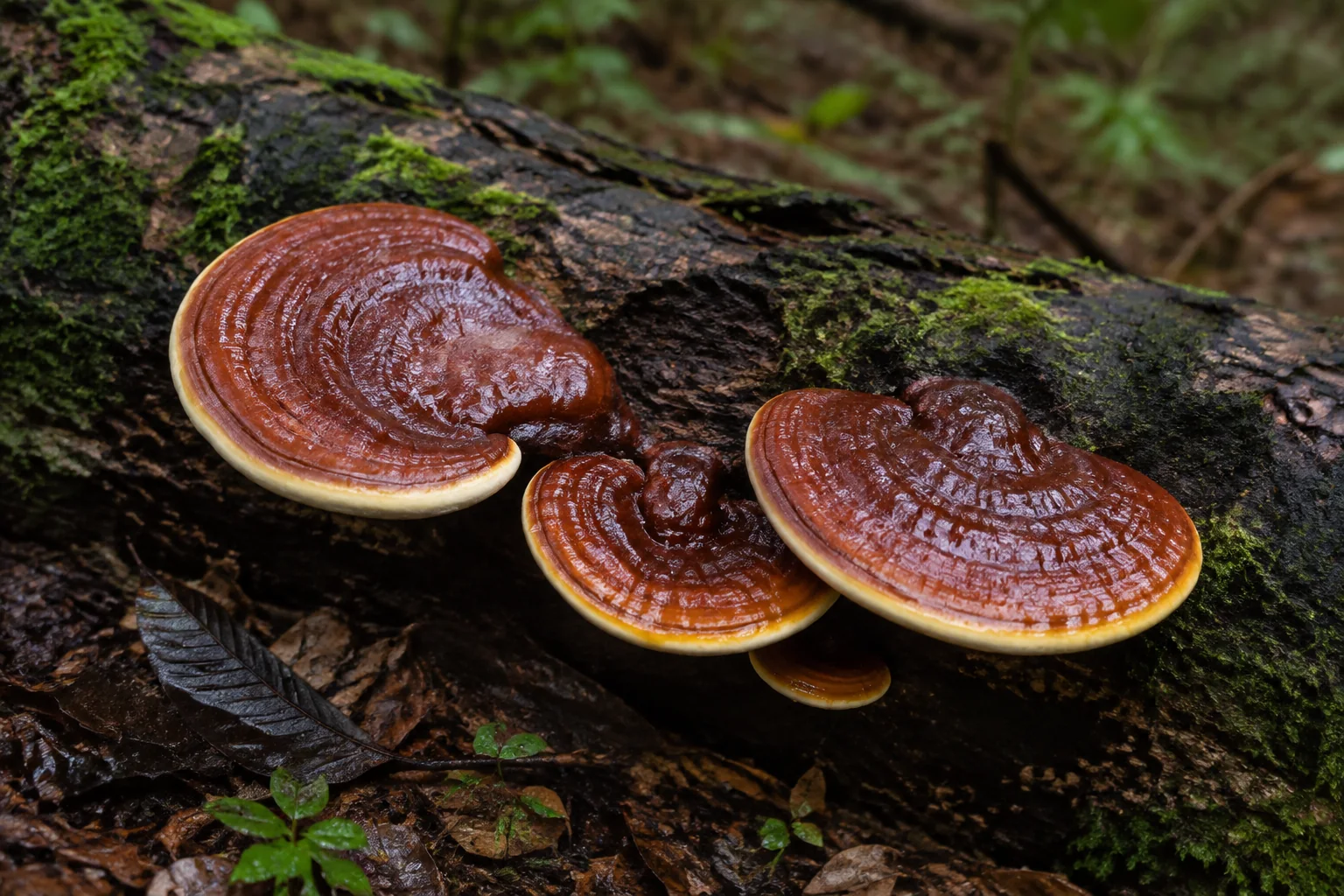
Reishi, also called lingzhi, is sold as slices, decoctions, powders, extracts, capsules and spores; these products are not interchangeable.

Cordyceps products vary by species, fungal material and manufacturing method, so a generic label does not identify what was studied.

Matcha, brewed green tea and concentrated green-tea extracts create different exposures and should not share one evidence or safety claim.
Hibiscus tea is usually a tart infusion of dried H. sabdariffa calyces; flowers, syrups, concentrates and extracts are not equivalent.

Brewed mulberry leaf tea, leaf powder and standardized extracts are distinct; the clearer glucose research concerns particular extracts.

Pistachios are a food-first tree nut whose nutrition varies with serving, roasting, oil, salt and flavor coatings.
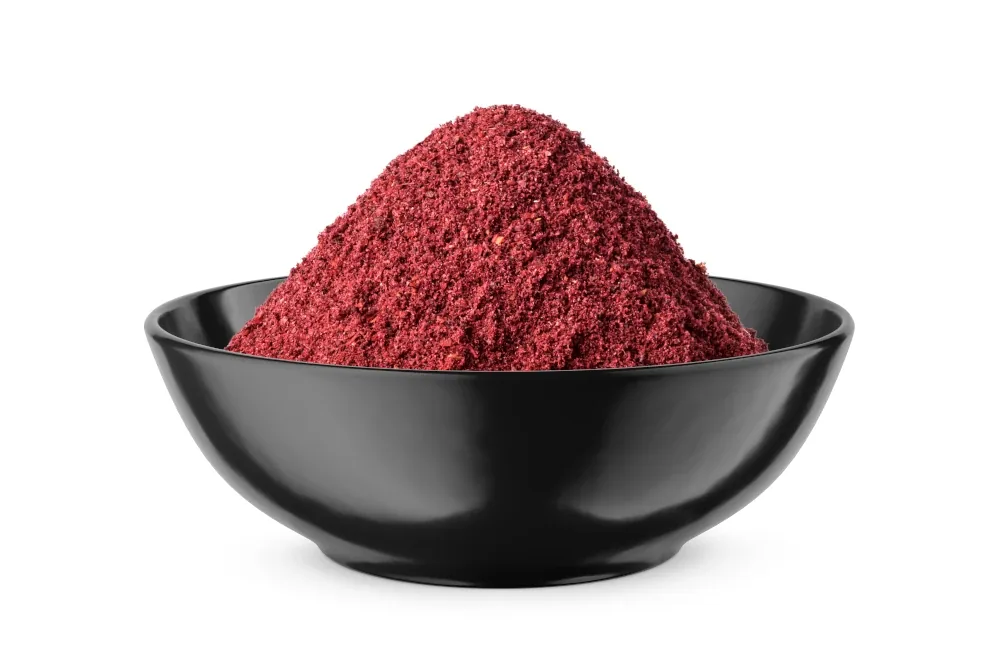
Sumac has culinary, historical or practitioner context documented in the original Holistic FAQs collection. This page preserves that record while separating forms, modern research and safety.
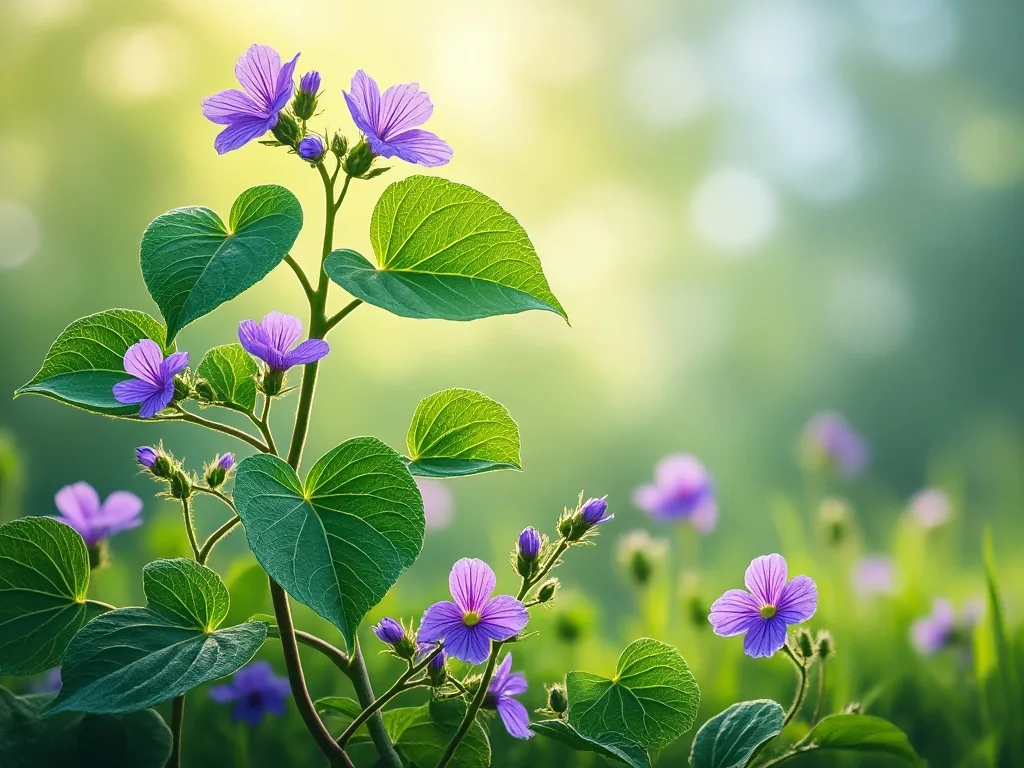
Common mallow has culinary, historical or practitioner context documented in the original Holistic FAQs collection. This page preserves that record while separating forms, modern research and safety.

Flaxseed has culinary, historical or practitioner context documented in the original Holistic FAQs collection. This page preserves that record while separating forms, modern research and safety.

Blueberries has culinary, historical or practitioner context documented in the original Holistic FAQs collection. This page preserves that record while separating forms, modern research and safety.

Chia seed has culinary, historical or practitioner context documented in the original Holistic FAQs collection. This page preserves that record while separating forms, modern research and safety.
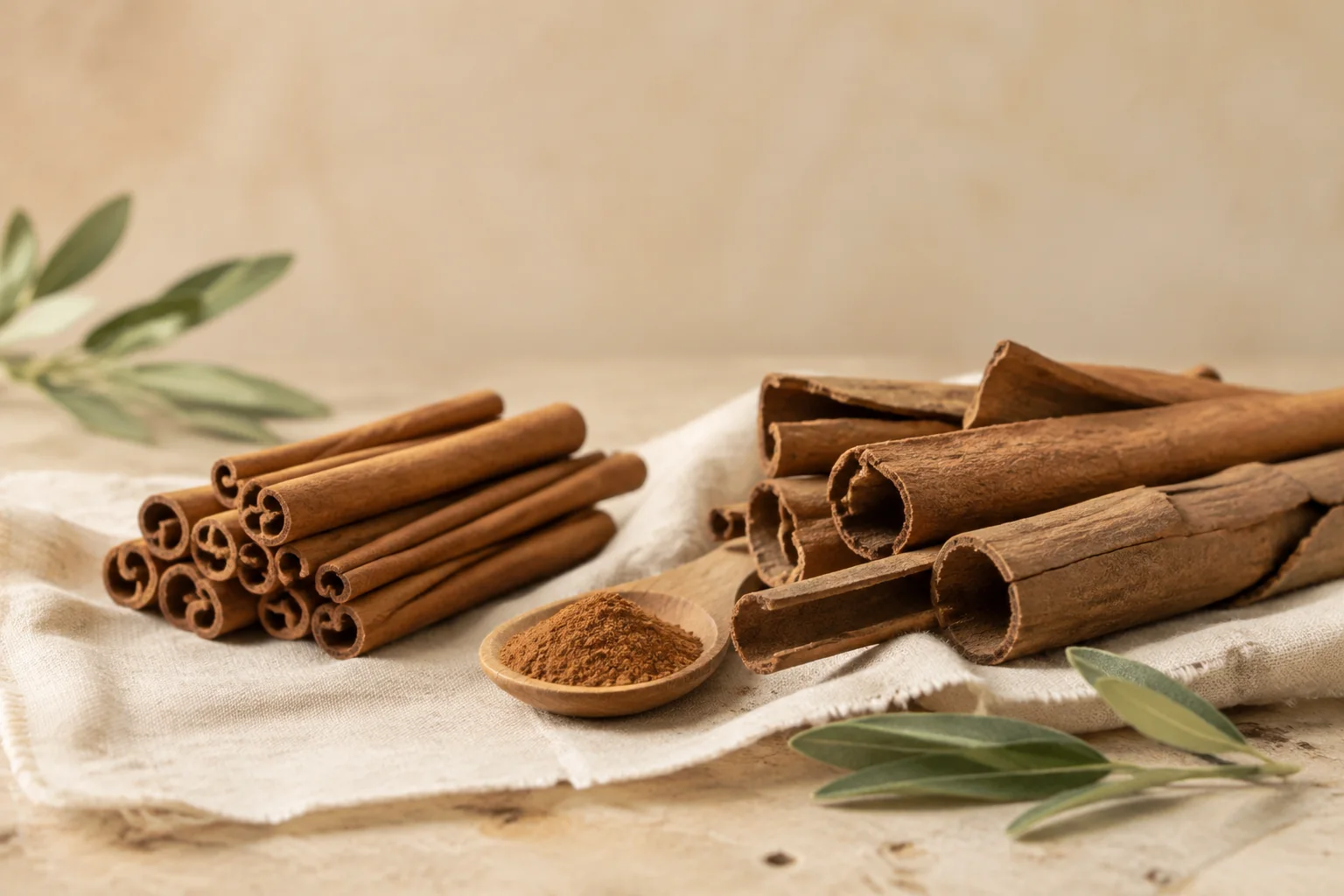
Cinnamon has culinary, historical or practitioner context documented in the original Holistic FAQs collection. This page preserves that record while separating forms, modern research and safety.
Cardamom has culinary, historical or practitioner context documented in the original Holistic FAQs collection. This page preserves that record while separating forms, modern research and safety.

Amla (Indian gooseberry) has culinary, historical or practitioner context documented in the original Holistic FAQs collection. This page preserves that record while separating forms, modern research and safety.
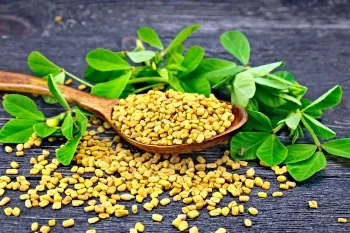
Fenugreek has culinary, historical or practitioner context documented in the original Holistic FAQs collection. This page preserves that record while separating forms, modern research and safety.

Gymnema sylvestre has culinary, historical or practitioner context documented in the original Holistic FAQs collection. This page preserves that record while separating forms, modern research and safety.

Ginseng has culinary, historical or practitioner context documented in the original Holistic FAQs collection. This page preserves that record while separating forms, modern research and safety.

Honey has culinary, historical or practitioner context documented in the original Holistic FAQs collection. This page preserves that record while separating forms, modern research and safety.

Bobinsana has culinary, historical or practitioner context documented in the original Holistic FAQs collection. This page preserves that record while separating forms, modern research and safety.
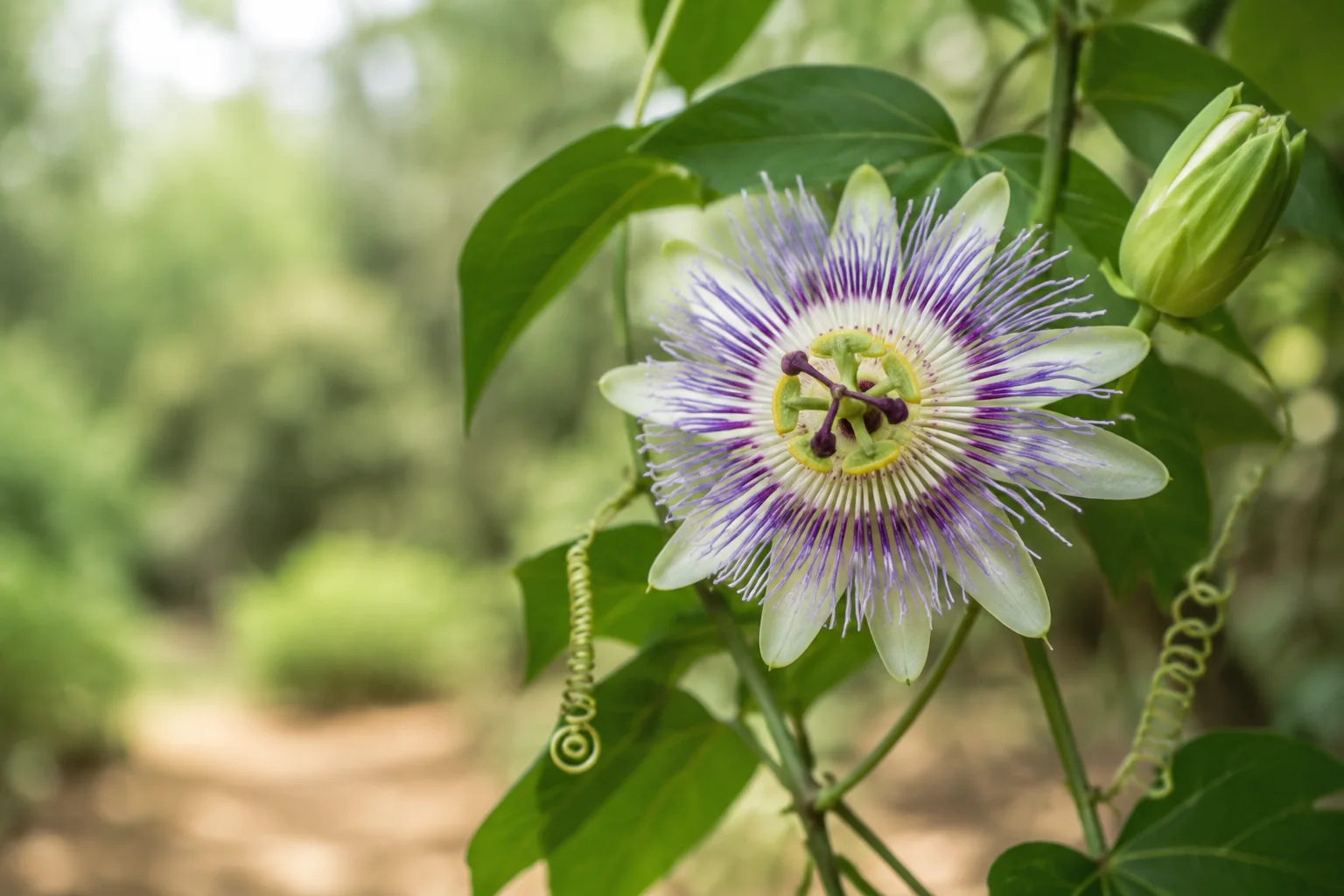
Passionflower has culinary, historical or practitioner context documented in the original Holistic FAQs collection. This page preserves that record while separating forms, modern research and safety.
Watermelon has culinary, historical or practitioner context documented in the original Holistic FAQs collection. This page preserves that record while separating forms, modern research and safety.

Tongkat ali has culinary, historical or practitioner context documented in the original Holistic FAQs collection. This page preserves that record while separating forms, modern research and safety.
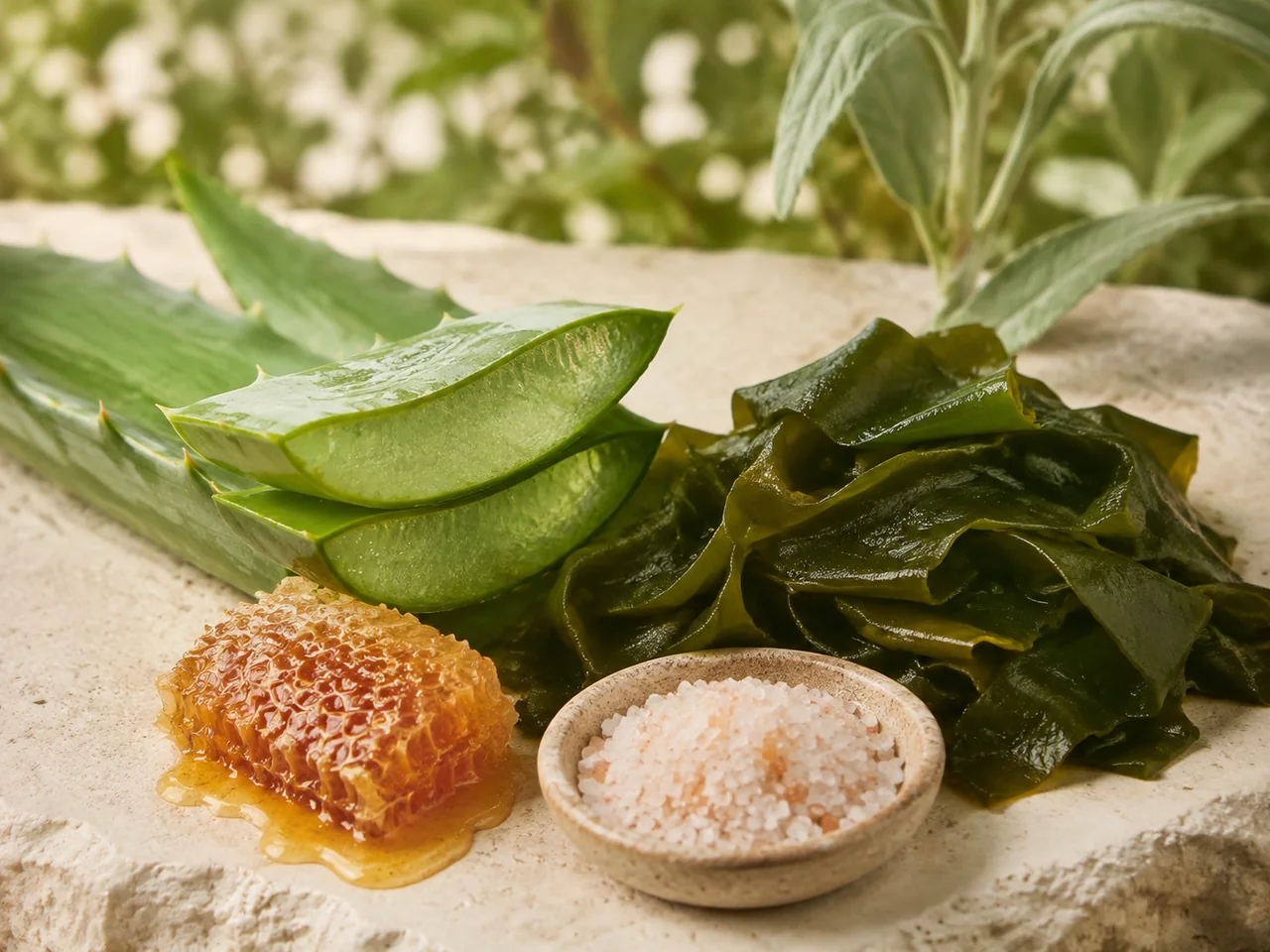
Chicory root has culinary, historical or practitioner context documented in the original Holistic FAQs collection. This page preserves that record while separating forms, modern research and safety.
Ginger has evidence for helping some kinds of nausea, but the useful dose, preparation and safety considerations depend on the situation.
Traditional use describes a practice with cultural or historical continuity; it does not automatically establish modern clinical effectiveness.
Oat beta-glucan can modestly lower LDL and total cholesterol when an effective amount is consumed regularly as part of an overall heart-healthy diet.
Oats can fit a blood-sugar-conscious meal, but the response varies with processing, portion, preparation and what is eaten with them.
Oats are the grain; oatmeal usually means oats prepared as a cooked cereal and can also refer to a processed oat product.
Neither is universally better: steel-cut oats are chopped groats, while rolled oats are steamed and flattened for faster cooking.
Oats do not contain wheat gluten, but cross-contact with wheat, barley or rye is common, so people with celiac disease should choose oats labeled gluten-free.
Oat beta-glucan is a viscous soluble fiber in oats that has been studied most extensively for its effect on LDL and total cholesterol.
Traditional and practitioner knowledge about Sumac is preserved here alongside clearly labeled modern evidence and practical safety boundaries.
Traditional and practitioner knowledge about Common mallow is preserved here alongside clearly labeled modern evidence and practical safety boundaries.
Traditional and practitioner knowledge about Flaxseed is preserved here alongside clearly labeled modern evidence and practical safety boundaries.
Traditional and practitioner knowledge about Blueberries is preserved here alongside clearly labeled modern evidence and practical safety boundaries.
Traditional and practitioner knowledge about Chia seed is preserved here alongside clearly labeled modern evidence and practical safety boundaries.
Traditional and practitioner knowledge about Cinnamon is preserved here alongside clearly labeled modern evidence and practical safety boundaries.
Traditional and practitioner knowledge about Cardamom is preserved here alongside clearly labeled modern evidence and practical safety boundaries.
Traditional and practitioner knowledge about Amla (Indian gooseberry) is preserved here alongside clearly labeled modern evidence and practical safety boundaries.
Traditional and practitioner knowledge about Fenugreek is preserved here alongside clearly labeled modern evidence and practical safety boundaries.
Traditional and practitioner knowledge about Gymnema sylvestre is preserved here alongside clearly labeled modern evidence and practical safety boundaries.
Traditional and practitioner knowledge about Ginseng is preserved here alongside clearly labeled modern evidence and practical safety boundaries.
Traditional and practitioner knowledge about Honey is preserved here alongside clearly labeled modern evidence and practical safety boundaries.
Traditional and practitioner knowledge about Bobinsana is preserved here alongside clearly labeled modern evidence and practical safety boundaries.
Traditional and practitioner knowledge about Passionflower is preserved here alongside clearly labeled modern evidence and practical safety boundaries.
Traditional and practitioner knowledge about Watermelon is preserved here alongside clearly labeled modern evidence and practical safety boundaries.
Traditional and practitioner knowledge about Tongkat ali is preserved here alongside clearly labeled modern evidence and practical safety boundaries.
Traditional and practitioner knowledge about Chicory root is preserved here alongside clearly labeled modern evidence and practical safety boundaries.
A golden rhizome used in food traditions and studied for its curcuminoid compounds.
A dark berry with a long place in European seasonal wellness traditions.
Peppermint leaf tea, culinary leaf, enteric-coated oil and essential oil are different forms with different evidence and safety considerations.
Lion's mane is an edible mushroom and supplement ingredient; early cognition studies are small and tied to particular products.

Reishi, also called lingzhi, is sold as slices, decoctions, powders, extracts, capsules and spores; these products are not interchangeable.
Cordyceps products vary by species, fungal material and manufacturing method, so a generic label does not identify what was studied.
Matcha, brewed green tea and concentrated green-tea extracts create different exposures and should not share one evidence or safety claim.
Hibiscus tea is usually a tart infusion of dried H. sabdariffa calyces; flowers, syrups, concentrates and extracts are not equivalent.
Brewed mulberry leaf tea, leaf powder and standardized extracts are distinct; the clearer glucose research concerns particular extracts.
Pistachios are a food-first tree nut whose nutrition varies with serving, roasting, oil, salt and flavor coatings.
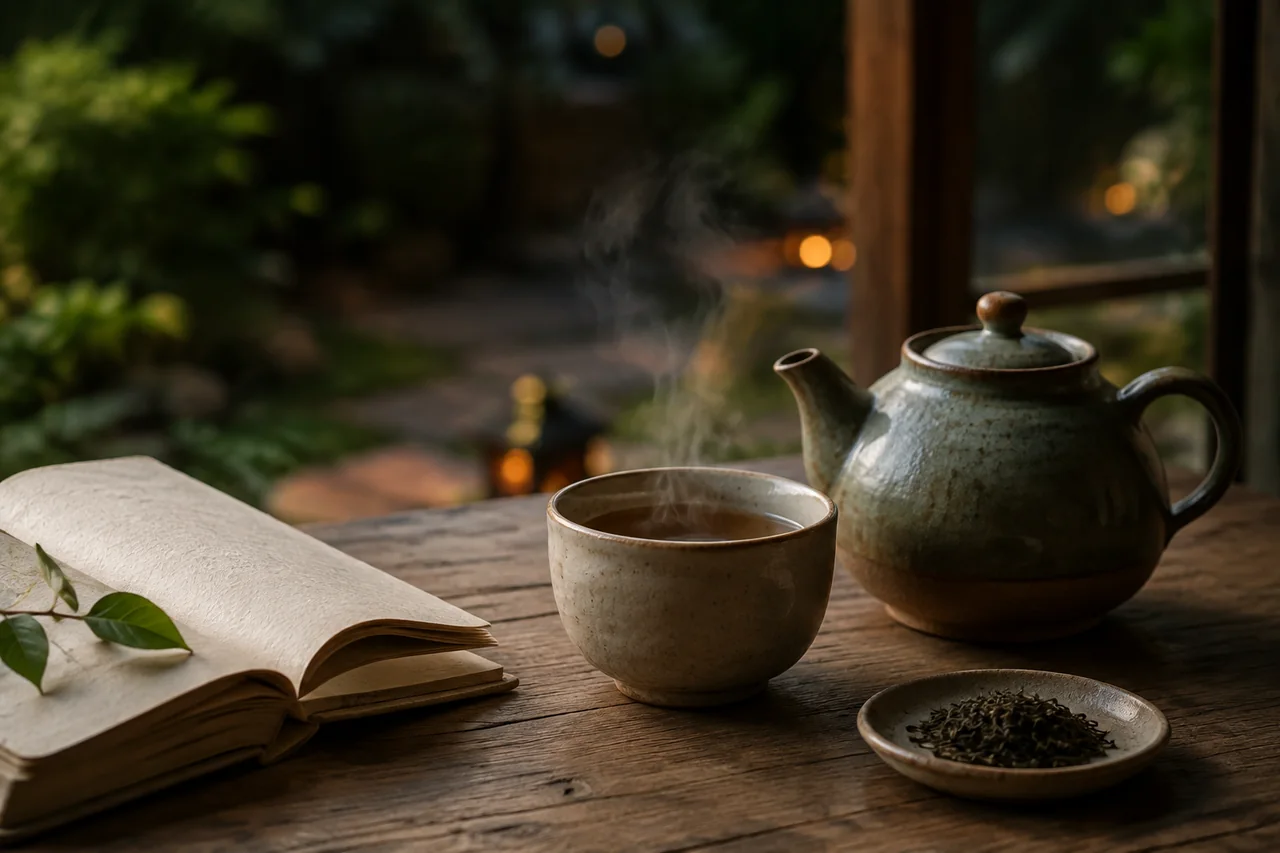
A simple way to choose a caffeine-free infusion and make the pause itself part of the practice.
A plain-language guide to separating long-standing practice from clinical evidence.
Six flexible staples that make whole-food meals easier without turning the cupboard into a supplement shop.
A food-first guide to oat nutrition, beta-glucan and cholesterol evidence, processing, blood-sugar context, gluten cross-contact, herbal preparations and colloidal oatmeal.
An expanded guide to Sumac, preserving traditional and practitioner knowledge while separating preparation, modern research and safety.
An expanded guide to Common mallow, preserving traditional and practitioner knowledge while separating preparation, modern research and safety.
An expanded guide to Flaxseed, preserving traditional and practitioner knowledge while separating preparation, modern research and safety.
An expanded guide to Blueberries, preserving traditional and practitioner knowledge while separating preparation, modern research and safety.
An expanded guide to Chia seed, preserving traditional and practitioner knowledge while separating preparation, modern research and safety.
An expanded guide to Cinnamon, preserving traditional and practitioner knowledge while separating preparation, modern research and safety.
An expanded guide to Cardamom, preserving traditional and practitioner knowledge while separating preparation, modern research and safety.
An expanded guide to Amla (Indian gooseberry), preserving traditional and practitioner knowledge while separating preparation, modern research and safety.
An expanded guide to Fenugreek, preserving traditional and practitioner knowledge while separating preparation, modern research and safety.
An expanded guide to Gymnema sylvestre, preserving traditional and practitioner knowledge while separating preparation, modern research and safety.
An expanded guide to Ginseng, preserving traditional and practitioner knowledge while separating preparation, modern research and safety.
An expanded guide to Honey, preserving traditional and practitioner knowledge while separating preparation, modern research and safety.
An expanded guide to Bobinsana, preserving traditional and practitioner knowledge while separating preparation, modern research and safety.
An expanded guide to Passionflower, preserving traditional and practitioner knowledge while separating preparation, modern research and safety.
An expanded guide to Watermelon, preserving traditional and practitioner knowledge while separating preparation, modern research and safety.
An expanded guide to Tongkat ali, preserving traditional and practitioner knowledge while separating preparation, modern research and safety.
An expanded guide to Chicory root, preserving traditional and practitioner knowledge while separating preparation, modern research and safety.

Holistic arthritis support can include movement, food patterns, sleep, stress care and culturally rooted practices alongside diagnosis and medical treatment.
Hydrogen-rich water is an emerging research topic. Small studies and laboratory findings do not establish broad antioxidant, anti-aging, performance or disease-treatment benefits.
Helicobacter pylori is a bacterium that can cause gastritis and ulcers and is associated with stomach cancer risk. Testing and clinician-directed eradication treatment are central; complementary practices should remain supportive.
Fever is a body-temperature response with many possible causes. Traditional comfort measures may support rest and hydration, but the cause, age, temperature, duration and accompanying symptoms determine when medical care is needed.
A complete guide to Ginger uses, distinct preparations, traditional context, modern evidence and practical safety considerations.
A complete guide to Turmeric uses, distinct preparations, traditional context, modern evidence and practical safety considerations.
A complete guide to Elderberry uses, distinct preparations, traditional context, modern evidence and practical safety considerations.
A complete guide to Peppermint uses, distinct preparations, traditional context, modern evidence and practical safety considerations.
A complete guide to Lion's mane mushroom uses, distinct preparations, traditional context, modern evidence and practical safety considerations.
A complete guide to Reishi mushroom uses, distinct preparations, traditional context, modern evidence and practical safety considerations.
A complete guide to Cordyceps uses, distinct preparations, traditional context, modern evidence and practical safety considerations.
A complete guide to Matcha and green tea uses, distinct preparations, traditional context, modern evidence and practical safety considerations.
A complete guide to Hibiscus tea uses, distinct preparations, traditional context, modern evidence and practical safety considerations.
A complete guide to Mulberry leaf tea uses, distinct preparations, traditional context, modern evidence and practical safety considerations.
A complete guide to Pistachios uses, distinct preparations, traditional context, modern evidence and practical safety considerations.
A reporter’s guide to food-first practices, traditional herbal approaches, cinnamon research, monitoring and the safety questions that matter with Type 2 diabetes.
A practical guide to plant-forward eating, traditional preparations, hibiscus and other complementary approaches alongside reliable blood-pressure monitoring.