01
Why people use it
Watermelon has culinary, historical or practitioner context documented in the original Holistic FAQs collection. This page preserves that record while separating forms, modern research and safety.
- ✓Historical and traditional record
- ✓Practitioner and community context
- ✓Botanical, food or preparation knowledge
- ✓Modern research where available
02
What the evidence says
The historical record and practitioner context are meaningful evidence lanes. Modern human research varies by topic and preparation and is presented separately; lack of modern study is not proof that a tradition has no value.
Hover, focus or tap each label for context.
These labels summarize the available context; they are not a clinical recommendation.03
Common forms
Hover, focus or tap a form to see what it means.
Evidence and safety apply to the exact species, plant or fungal part, preparation and amount discussed. Food, tea, powder, tincture, oil, extract, capsule and blend forms are not automatically interchangeable.
+
Traditional and practitioner context
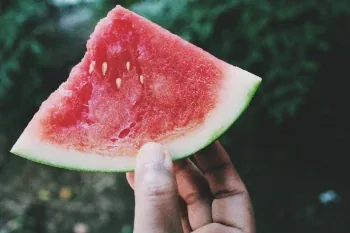
Watermelon has African origins and a long history as a cultivated food valued for hydration, flesh, seeds and, in some cuisines, rind. Traditional food use should be distinguished from concentrated powders or extracts.
Safety note
Know before you use it
Whole fruit, juice and concentrated products differ in serving and sugar context. Allergy is possible. Kidney disease, potassium restrictions and glucose management may require individualized portions.
Read the complete Watermelon guide
An expanded guide to Watermelon, preserving traditional and practitioner knowledge while separating preparation, modern research and safety.
Open the full guideQuestions about Watermelon
What should you know about Watermelon traditional uses, evidence and safety? →
Sources & review
- Original Holistic FAQs source recordPernilla’s Holistic FAQs archive
- Macularhope.org referenceSource linked by the original article
- Europeantimes.news referenceSource linked by the original article
- Nutritionfacts.org referenceSource linked by the original article
- Academic.oup.com referenceSource linked by the original article