→
Explore Berries & fruits
4 published entries in this Apothecary category.
 Berries & fruits
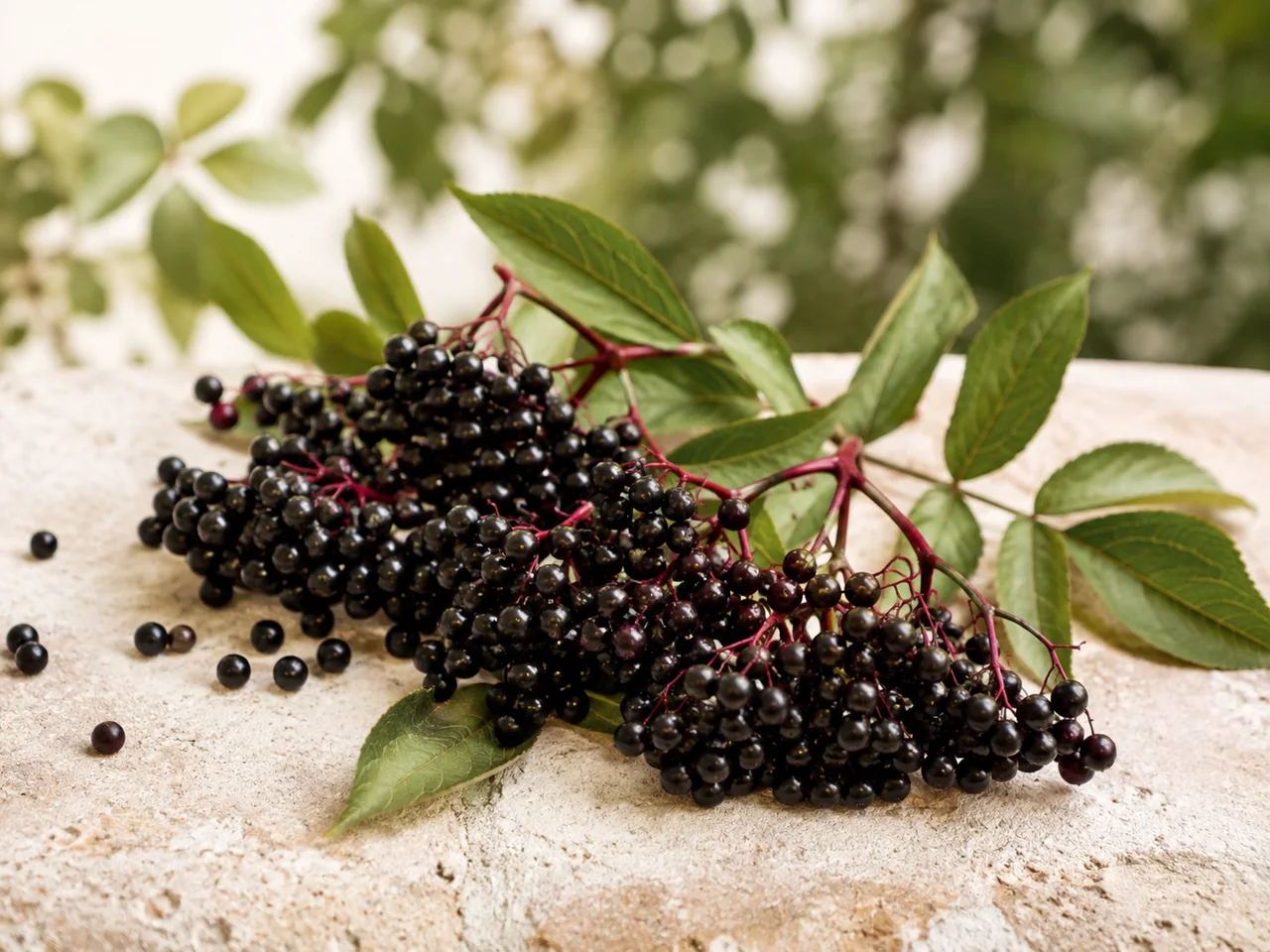
Elderberry
Sambucus nigraA dark berry with a long place in European seasonal wellness traditions.
Open entry → Berries & fruits
Blueberries
Vaccinium speciesBlueberries has culinary, historical or practitioner context documented in the original Holistic FAQs collection. This page preserves that record while separating forms, modern research and safety.
Open entry → Berries & fruits
Amla (Indian gooseberry)
Phyllanthus emblicaAmla (Indian gooseberry) has culinary, historical or practitioner context documented in the original Holistic FAQs collection. This page preserves that record while separating forms, modern research and safety.
Open entry → Berries & fruits
Watermelon
Citrullus lanatusWatermelon has culinary, historical or practitioner context documented in the original Holistic FAQs collection. This page preserves that record while separating forms, modern research and safety.
Open entry →- Pineapple
- Watermelon
- Banana
- Citrus
- Pomegranate
- Apple
- Amla
- Cranberry
- Blueberry
01
Start with the whole fruit
Whole fresh, frozen, canned and dried fruits can play different practical roles. Product-specific serving information matters, especially when juice, added sugar or concentrated ingredients change the original food.
02
Flesh, peel, rind and pith
Edibility varies by fruit and plant part. A peel used as food is not automatically equivalent to a homemade remedy, essential oil or concentrated extract made from that peel.
03
Seeds, pits and caution-required parts
Some seeds and kernels contain natural toxins when consumed in quantity, and large pits can present physical hazards. Avoid generalized claims that every part of a fruit is edible or beneficial.
04
Traditional fruit foodways
Fruits appear in preserves, cooked syrups, fermented preparations, teas and regional food traditions. These uses deserve context without being converted into unsupported treatment claims.
05
Food versus extract or supplement
A whole berry, juice, dried powder and standardized extract can deliver very different amounts and constituents. Evidence for one form should not be transferred automatically to another.
06
Preparation and preservation
Cooking, freezing, drying, fermenting and preserving change texture, storage and sometimes safety. Each item guide identifies the relevant part, preparation and evidence rather than treating all fruit products as interchangeable.
S
Cornerstone sources
- Focus on Whole FruitsUSDA MyPlate
- Natural Toxins in FoodU.S. Food and Drug Administration