Embedded Spines, Thorns, and Glochids: Why the Tiny Ones Are the Hard Part
A cactus spine is easy to pull out. The nearly invisible glochids surrounding it are a different story -- and can cause irritation for months if not fully removed. A practical guide to both.
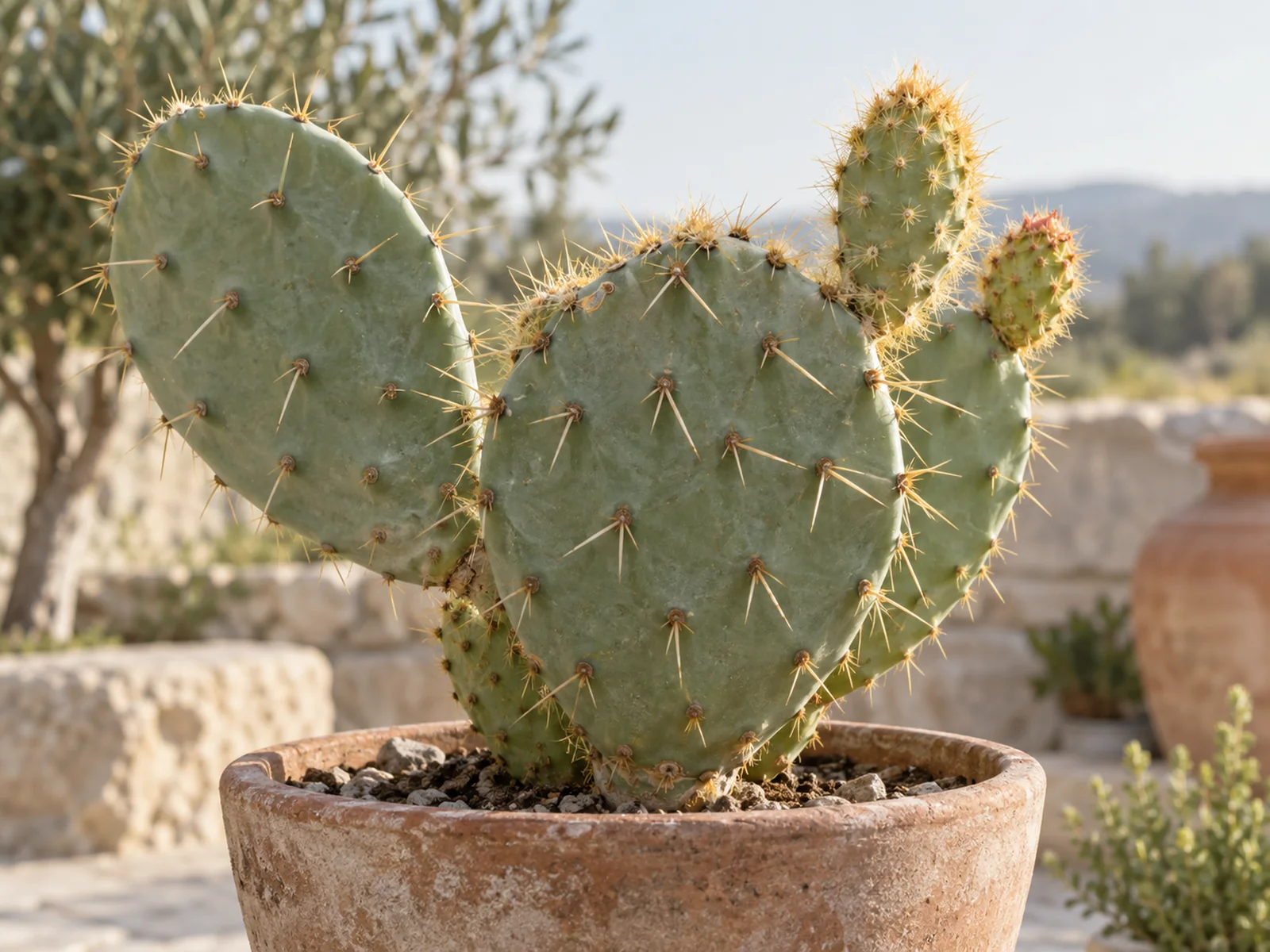
Unlike the chemical and allergic reactions covered elsewhere in this library, embedded spines, thorns, and glochids are a mechanical injury -- a physical foreign body lodged in the skin. Most are minor, but some cacti in particular present a genuine removal challenge that's worth understanding before it happens.
Spines and glochids are not the same problem
Many cacti carry two distinct kinds of needles. Spines are the larger, clearly visible needles -- straight on some species, hooked on others -- and are usually straightforward to remove by grasping and pulling with tweezers or even bare fingers. Glochids are different: tiny, hair-like, densely clustered needles with microscopic barbs, often surrounding the base of the larger spines. They break off far more easily than they come out, and their barbed structure means a portion is likely to remain embedded even after careful removal.
What actually works for removal
For visible spines, careful removal with tweezers or fingers, grasping close to the skin, is usually sufficient. Glochids are harder: tape alone (duct tape or similar) has been reported to remove only around a third of embedded glochids in a single pass. A two-step approach -- first removing what you can with tweezers, then applying a layer of household glue over the area, letting it dry fully, and peeling it off -- has been reported to remove a substantially higher share, leaving only a small remaining fraction. Even with careful technique, some barb fragments commonly remain; this is a normal limitation of the injury rather than a sign that something was done wrong.
When it becomes a medical case
A published emergency-department case report described a patient who fell into a decorative cactus and sustained dozens of spine and glochid puncture wounds across the torso and limbs, requiring specialized removal technique under sedation. This is an extreme example, but it illustrates that a fall or heavy contact with a spiny plant -- not just a light brush -- can produce an injury serious enough to need professional care.
General first aid for embedded spines and thorns
For an ordinary embedded spine or thorn, a sterilized needle can help gently lift a partially buried tip to the surface for tweezer removal, working slowly to avoid pushing it deeper. Once removed, wash the area gently with soap and warm water, apply an antiseptic, and cover with a bandage if needed. A cool compress can ease any resulting soreness. Seek medical care if a spine or thorn can't be removed, if the wound shows signs of infection such as increasing redness, warmth, swelling, or discharge, or after a fall or heavy-contact injury involving many puncture wounds at once.