Essential Oils and Irritated Skin: Why an Older Bottle Can Be Riskier
Essential oils are natural, but that doesn't make them automatically gentle -- and for at least one popular oil, an opened bottle sitting on a shelf can genuinely become more likely to cause a reaction over time.
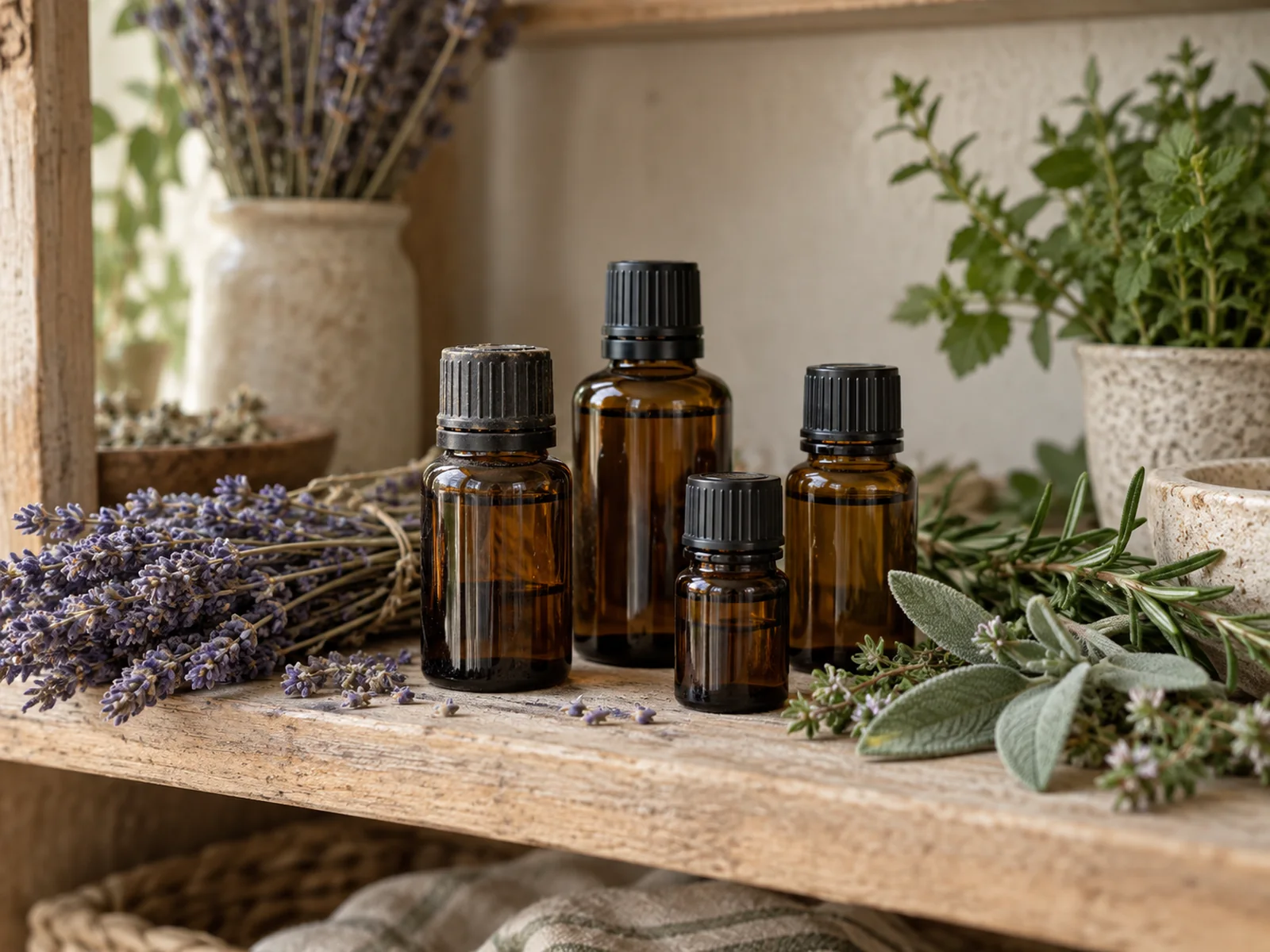
Essential oils are widely used in skincare and aromatherapy, and while many people tolerate them without issue, they are a well-documented cause of both irritant and allergic skin reactions -- concentrated plant extracts are not automatically gentle just because they're natural.
Two different reactions, with different patterns
Irritant contact dermatitis from essential oils is generally concentration-dependent and stays confined to the area of direct contact -- it can happen to almost anyone given a strong enough or undiluted application. Allergic contact dermatitis, by contrast, requires prior sensitization, can appear with a delay of hours to days, and can spread beyond the original contact site. This distinction matters practically: an irritant reaction usually means "too much, too strong," while an allergic reaction means a specific compound the immune system has flagged, regardless of how careful the application was.
Which oils cause the most reactions
Tea tree oil is the single most frequently reported cause of allergic contact dermatitis among essential oils in patch-test data, common enough that it's included in standard dermatology screening panels. Citrus oils carry their own distinct risk: limonene, a major citrus-oil compound, can cause a phototoxic reaction -- skin damage from the combination of the oil and subsequent sun exposure -- separate from any allergic mechanism. Cinnamon, clove, ylang-ylang, and several other commonly used oils have also been documented as frequent causes of reactions.
Practical guidance
Never apply undiluted essential oil directly to skin -- proper dilution in a carrier oil substantially reduces irritant risk. Patch-testing a small area of skin (commonly the inner forearm) and waiting 24 to 48 hours before broader use is a reasonable precaution, particularly with a new oil or a bottle that has been open for a long time. Storing oils away from light and air exposure, and being more cautious with older, well-used bottles of oils like lavender, follows directly from how the oxidation risk actually works.
When to see a dermatologist
A reaction that spreads beyond the area of direct contact, develops with a delay after use, or recurs with a specific oil is more consistent with a true allergy than simple irritation -- and patch testing, covered in more detail elsewhere in this library, can help identify the specific culprit rather than guessing.