Itchy Plant Rashes, Stings, and Sap Reactions: Natural Comfort Measures, First Aid, and When to Get Medical Care
The cornerstone guide to plant-contact reactions -- what causes them, what real first aid looks like, which natural comfort measures actually help, and the red flags that mean it is time to see a clinician.
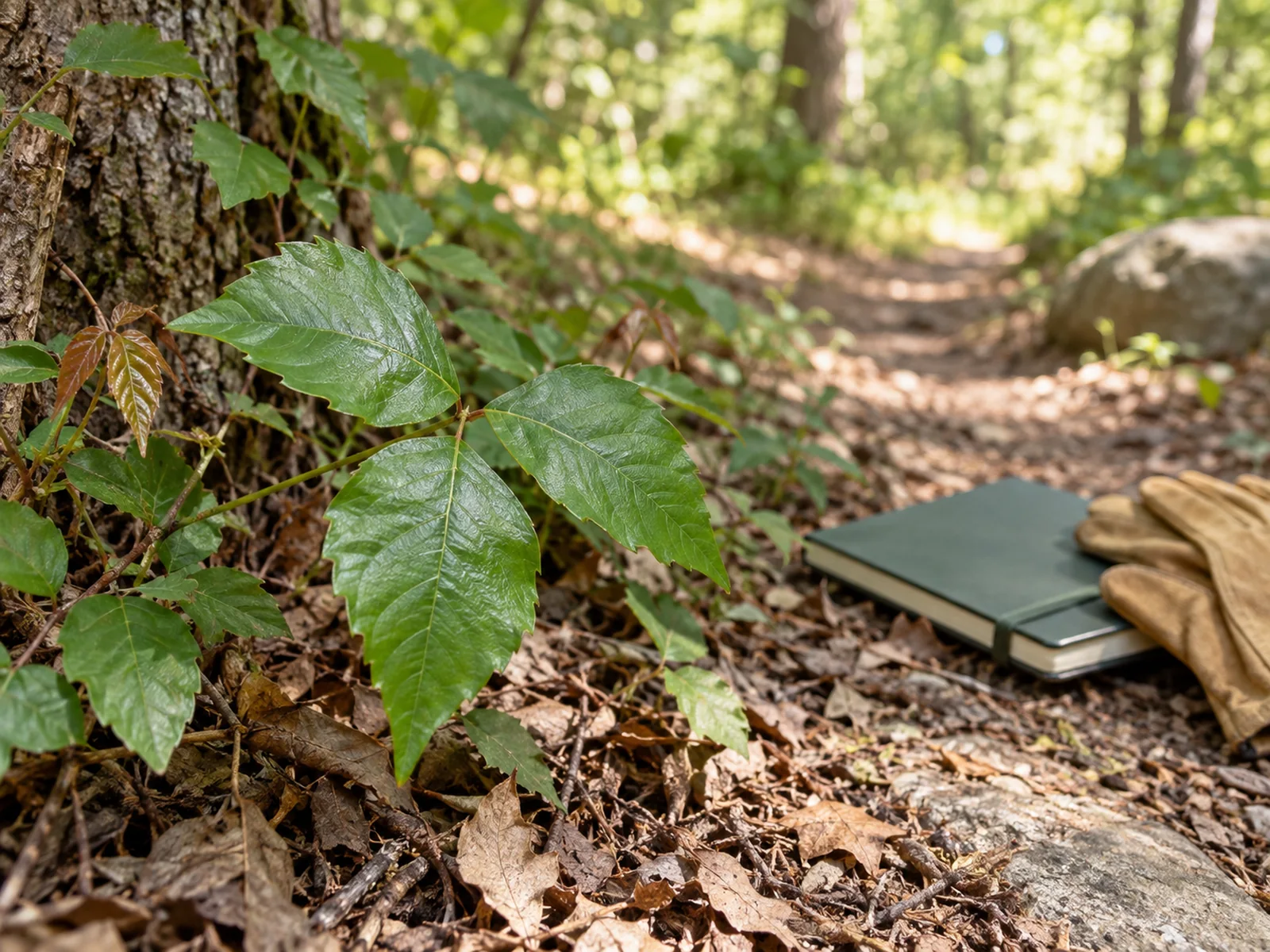
Not every itchy rash from a plant has the same cause, and not every home comfort measure is appropriate for every cause. This guide separates the different mechanisms behind plant-contact reactions -- allergic sap, stinging hairs, phototoxic sap, mechanical injury -- because the right first step depends entirely on which one happened. Every specific exposure below (poison ivy, poison oak, poison sumac, and more added over time) links back here, and this page links out to the comfort measures and safety pages that actually apply to each.
These are not all the same reaction
Several distinct mechanisms get lumped together as "plant rash." Urushiol allergic contact dermatitis (poison ivy, oak, and sumac) is a delayed immune reaction to an oil, not an instant burn. Stinging-hair reactions (like stinging nettle) are an immediate mechanical and chemical sting, not an allergy. Phytophotodermatitis (from wild parsnip, giant hogweed, cow parsnip, or even citrus and celery sap) is a sun-triggered chemical burn, not an allergic rash at all -- and treating it like poison ivy can actually make it worse by delaying the one thing that matters most: getting out of the sun. Knowing which one happened changes what you should do first.
The order that matters, regardless of which plant
Identify the likely mechanism and exposure, then remove it -- wash the skin, remove contaminated clothing, get out of the sun if phototoxic sap is involved. Only after that does supportive natural or over-the-counter comfort care belong in the picture. Then know what not to do for that specific mechanism. Then know the red flags that mean home care is not enough. This order is not arbitrary -- reversing it (reaching for a soothing remedy before decontamination, for example) is one of the most common mistakes people make with plant-contact reactions.
Urushiol reactions: poison ivy, oak, and sumac
These three plants share the same allergen, urushiol, found in the sap of the genus Toxicodendron (part of the cashew/Anacardiaceae family, along with mango and cashew shells -- which is why some people with poison ivy sensitivity also react to those). The reaction is a delayed allergic contact dermatitis, not an instant chemical burn, so a rash can appear anywhere from a few hours to several days after contact. Each plant has distinct identifying features and a distinct typical habitat, covered on its own page below.
What actually helps minor itch, after washing
For minor, intact-skin itching once the exposure has been removed and the skin washed, cool compresses, a colloidal oatmeal bath, and calamine lotion (kept off the face and genitals) are the most consistently supported comfort measures. None of them are a substitute for washing first, and none of them are appropriate for the face, eyes, genitals, deep blistering, or signs of infection.
When it is not a "wait it out" situation
Get emergency care for difficulty breathing or swallowing, fainting, or swelling of the face, lips, tongue, or throat, or widespread hives with systemic symptoms -- these can indicate a severe allergic reaction, not a typical contact rash. Get prompt medical attention for eye exposure, involvement of the face or genitals, severe blistering, major pain, a rapidly worsening rash, fever, pus, red streaking, or a suspected ingestion of a poisonous plant.