Pine Foraging in the Northern Rockies: A Complete Starting Guide
Identification, safety, legal access, and staying found without cell service -- the full picture for anyone starting to forage responsibly among Montana's pine forests.
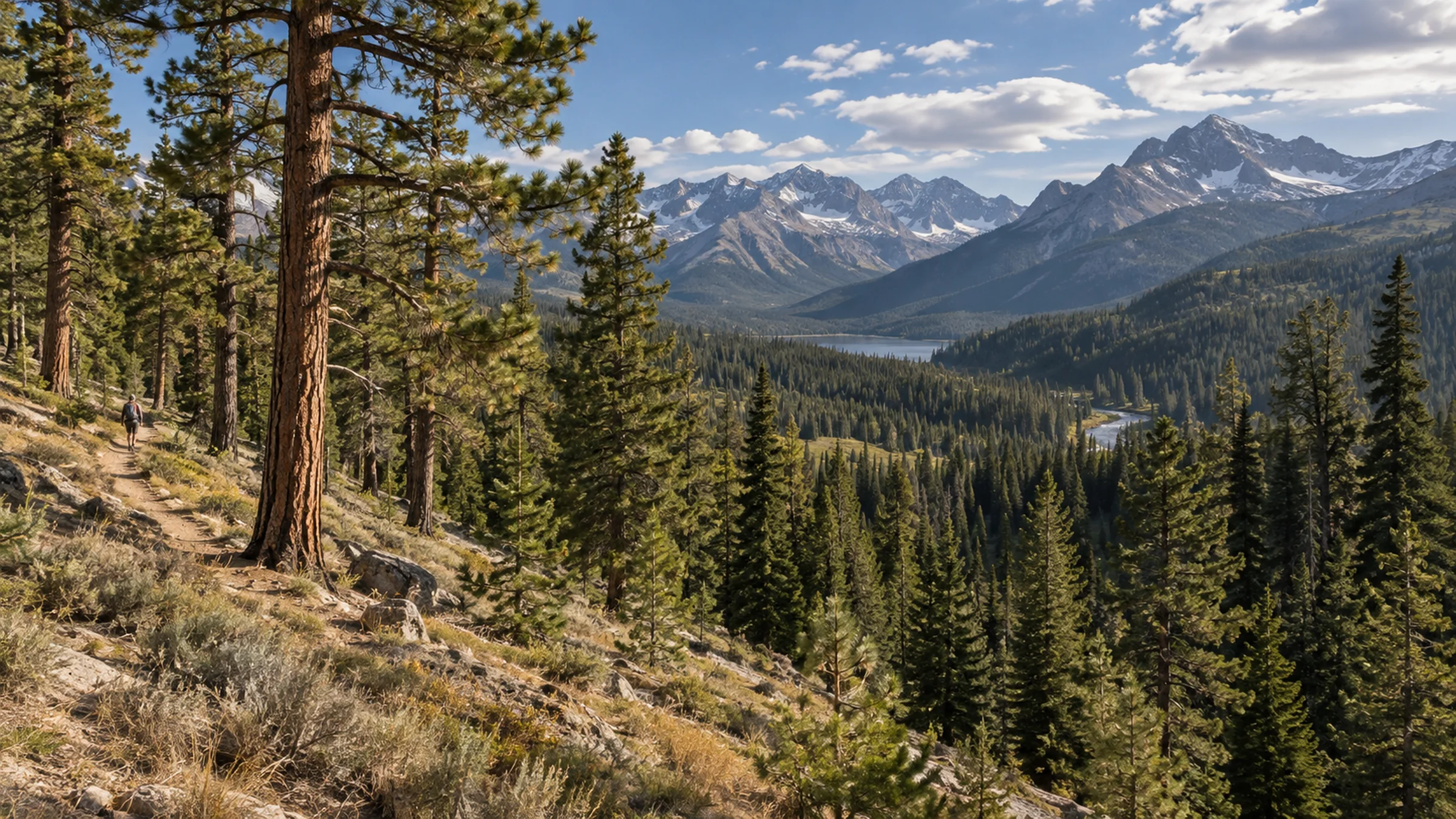
Pine forests across the Northern Rockies -- Montana especially -- offer real, practical foraging opportunities: needles for tea, pitch for traditional material use, and simply the pleasure of correctly identifying what's actually growing around you. Doing any of it responsibly touches four distinct questions, each covered in more depth elsewhere in this library: what species is this, is any part of it dangerous, am I legally allowed to collect here, and can I find my way back out.
Start with identification
Ponderosa pine and lodgepole pine are the two species most people in this region will actually encounter, and they're reliably told apart by needle-bundle count, bark color and texture, cone shape, and elevation. This library's identification guide covers all four checks in detail, including a genuinely fun bark-scent trick worth trying once the more reliable checks have already confirmed the species.
Know the real safety risk: it isn't pine itself
True pine is not dangerous to identify or handle. The actual risk is a small number of other conifers -- yew above all -- that a careless glance could mistake for pine, with serious consequences if any part of that plant were ingested. The needle-bundle check that confirms pine identification is the same check that rules yew out, which is exactly why it matters more than any other single feature.
Pine pitch has a real history and a real limit
Pine resin has a long, genuine history as an adhesive, sealant, and folk topical material, and a specific tested medical-grade spruce resin product has real clinical evidence behind it for wound care. Raw pitch collected from a tree in the field, however, has not been tested or purified the same way, and it is not a substitute for basic wound cleaning and appropriate medical care.
Confirm you can actually collect here
The same patch of pine forest can have a different legal answer depending on whether it's BLM land, national forest, state land, or private property. Personal-use collection of pine cones and needles is often welcomed on federal land and frequently restricted on state park land, and the only way to know for a specific location is to check with the managing agency before collecting anything.
Plan to navigate without cell signal
Remote pine forest is exactly the kind of terrain where cell service tends to disappear, and a phone's GPS chip keeps working from satellites alone as long as the relevant map was downloaded before losing signal. A paper map and compass as backup, a charged battery pack, and telling someone the plan before heading out round out a reasonable kit for anyone heading into less-traveled pine country.
Putting it together
None of these four questions -- identification, safety, legality, navigation -- substitutes for the others. Correctly identifying a Ponderosa pine doesn't confirm you're allowed to collect from it; confirming you're on permissive BLM land doesn't mean the specimen in front of you isn't actually yew. Treating all four as part of the same responsible-foraging habit, rather than as separate one-off concerns, is what actually keeps a pine forest trip both safe and enjoyable.