Pine Identification Safety: The Toxic Look-Alikes to Know Before You Forage
Pine itself is safe to identify and use, but a few conifers -- especially yew -- can be mistaken for it. Here's the field checklist that keeps that mistake from happening.
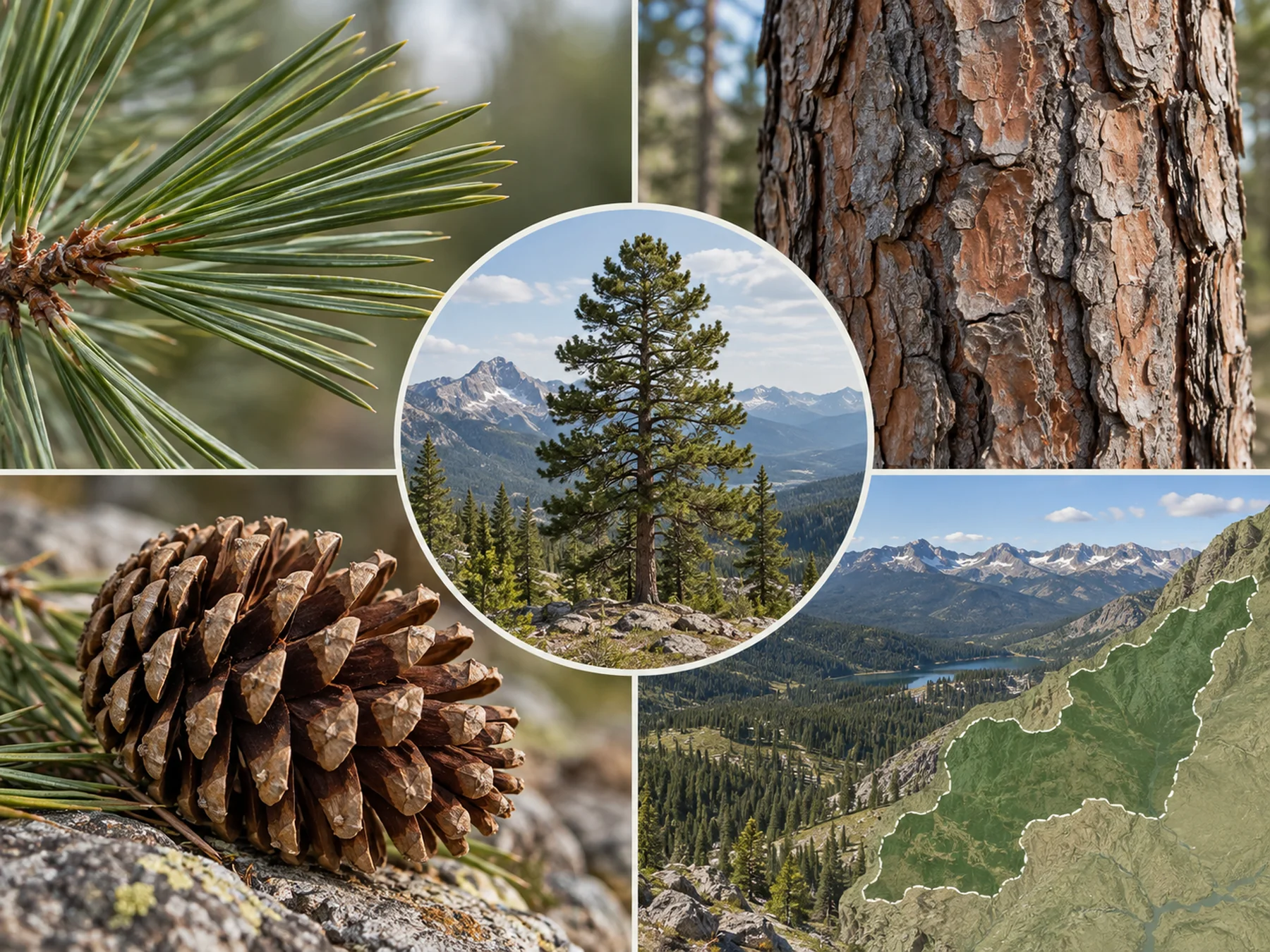
True pines (Pinus species) are not dangerous to identify or handle, and the needle-bundle count covered in this library's pine identification guide is a reliable way to confirm one. The real safety issue is a small number of other conifers -- most importantly yew -- that a careless glance could mistake for pine, with serious consequences if any part of that plant is ingested.
The single most important rule: check needle attachment
True pines carry their needles in bundles -- clusters of two, three, or five needles bound together at the base. This is unique to pine among conifers. Spruce, fir, hemlock, and yew all attach their needles individually, one at a time, directly to the twig. If a needle pulls away as part of a bundle rather than singly, it rules out yew entirely. This single check, done correctly, is the fastest way to avoid the most dangerous mix-up.
Scent as a secondary check
Pine has a distinctive resinous, sometimes citrus-like scent when needles are crushed or rubbed between fingers. Yew, by contrast, is largely odorless under the same test. This "rub and sniff" check is a useful secondary confirmation -- never a substitute for the needle-bundle and fruit checks, but a reasonable extra layer of confidence once those have already pointed toward pine.
A naming trap: hemlock the tree vs. poison hemlock the plant
Hemlock trees (Tsuga species) are edible conifers with soft, flat needles and small, hanging cones -- genuinely unrelated to poison hemlock (Conium maculatum), a toxic herbaceous plant in the carrot family that grows low to the ground and isn't a tree at all. The shared name traces back to early settlers thinking crushed hemlock-tree needles smelled similar to poison hemlock leaves, but the two plants are not related and don't carry the same risk. This is worth knowing specifically so the word "hemlock" alone doesn't create unnecessary alarm about an actual hemlock tree, while still respecting that poison hemlock the plant is a serious toxin.
Other conifers worth a quick mention
Douglas-fir (Pseudotsuga menziesii) is neither a true fir nor a true hemlock despite the confusing common associations -- its own genus, identifiable by distinctive three-pointed, mouse-tail-shaped bracts protruding from its cones. Spruce needles are stiff, four-sided, and roll easily between the fingers; fir needles are flat like hemlock's but grow on cones that stand upright and disintegrate on the branch rather than falling and persisting whole. None of these present the same danger level as yew, but confirming needle bundling and fruit/cone type remains the reliable path to a correct identification regardless of which conifer is actually present.
A practical field checklist before collecting anything
Check needle attachment first: bundled in twos, threes, or fives means true pine; single attachment means it is not pine and needs further identification. Look for fruit type: a woody cone supports pine, spruce, fir, or hemlock; a bright red fleshy berry with no cone is the yew red flag. Do a scent check as a secondary confirmation, never a primary one. And when any of these signs conflict or the specimen is unclear, treat the identification as unresolved rather than assuming the safer option -- the same standard this library applies to mushroom identification applies here: uncertainty means don't use it, not "probably fine."