01
Why people use it
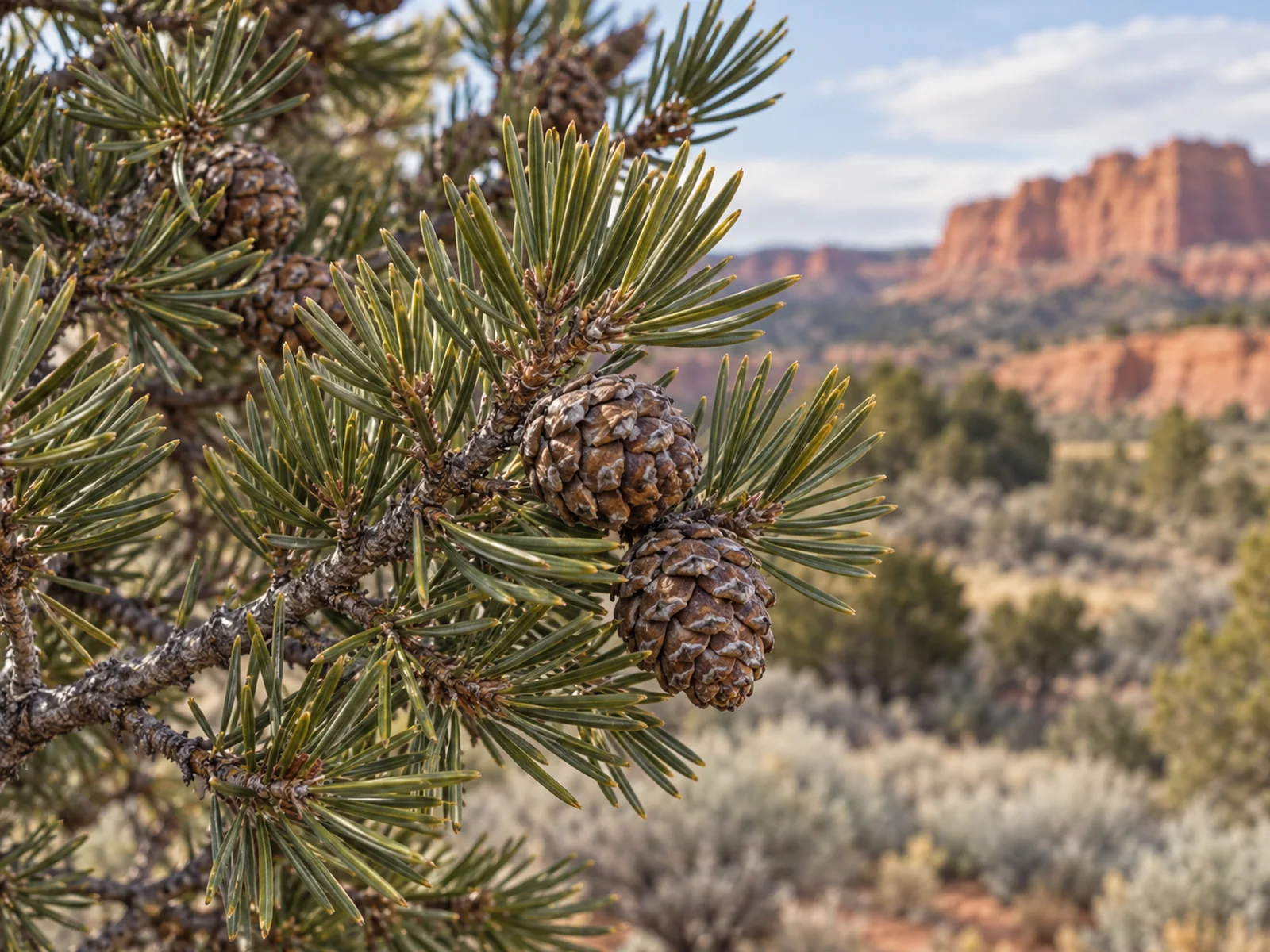
The seed of the piñon pine, a calorie-dense, high-fat wild food that has sustained peoples of the Colorado Plateau and Great Basin for thousands of years.
- ✓Traditional staple food
- ✓Roasted snack nut
- ✓Modern culinary nut
02
What the evidence says
Piñon nuts are a genuine, calorie- and fat-dense wild food with a well-documented multi-thousand-year history of use; they are described here as a traditional and modern food, not as a treatment for any health condition.
Hover, focus or tap each label for context.
These labels summarize the available context; they are not a clinical recommendation.03
Common forms
Hover, focus or tap a form to see what it means.
Safety note
Know before you use it
A small number of people report a temporary bitter or metallic taste lasting days after eating pine nuts ("pine nut syndrome" or "pine mouth"), a recognized but not fully understood reaction associated with certain pine species; it is unpleasant but not considered dangerous. As with any nut, tree nut allergy is a separate and genuine safety consideration.
Sources & review
- Singleleaf Pinyon: Native Tree with Edible UsesPlantNative
- One hundred years of piñon nuts, a largely forgotten wild food crop from the American Southwest (1850–1950)ScienceDirect
- March: Piñon Pine (Pinus edulis)Santa Fe Botanical Garden