
01
Traditional and holistic context
Willow bark was documented independently in Sumeria, Egypt and Assyria and recommended by Hippocrates before becoming the direct botanical ancestor of aspirin. Boswellia has been central to Ayurvedic medicine for centuries, among the ancient world's most valuable traded resins.
02
What current evidence adds
Willow bark and boswellia both have real meta-analytic support for pain and stiffness, with boswellia combined with turmeric showing relief comparable to NSAIDs with fewer GI side effects. Glucosamine and chondroitin's evidence is honestly more modest than their popularity suggests.
Important safety context
Support does not mean substitution
Willow bark and boswellia both carry mild blood-thinning effects and share aspirin-like cautions around bleeding disorders, anticoagulants and fever in children. Sudden severe joint pain, swelling, warmth or fever warrants prompt medical evaluation.
Explore related natural items
 Other wonders
Boswellia (Indian Frankincense)
Boswellia serrataThe resin behind one of the ancient world's most valuable trade goods — genuinely strong modern trial support for osteoarthritis, comparable to NSAIDs with fewer side effects.
Open entry → Nuts & trees
Willow Bark
Salix spp. (Salix alba/white willow most common)The direct botanical ancestor of aspirin — documented across three independent ancient civilizations, and still genuinely effective in its own right.
Open entry →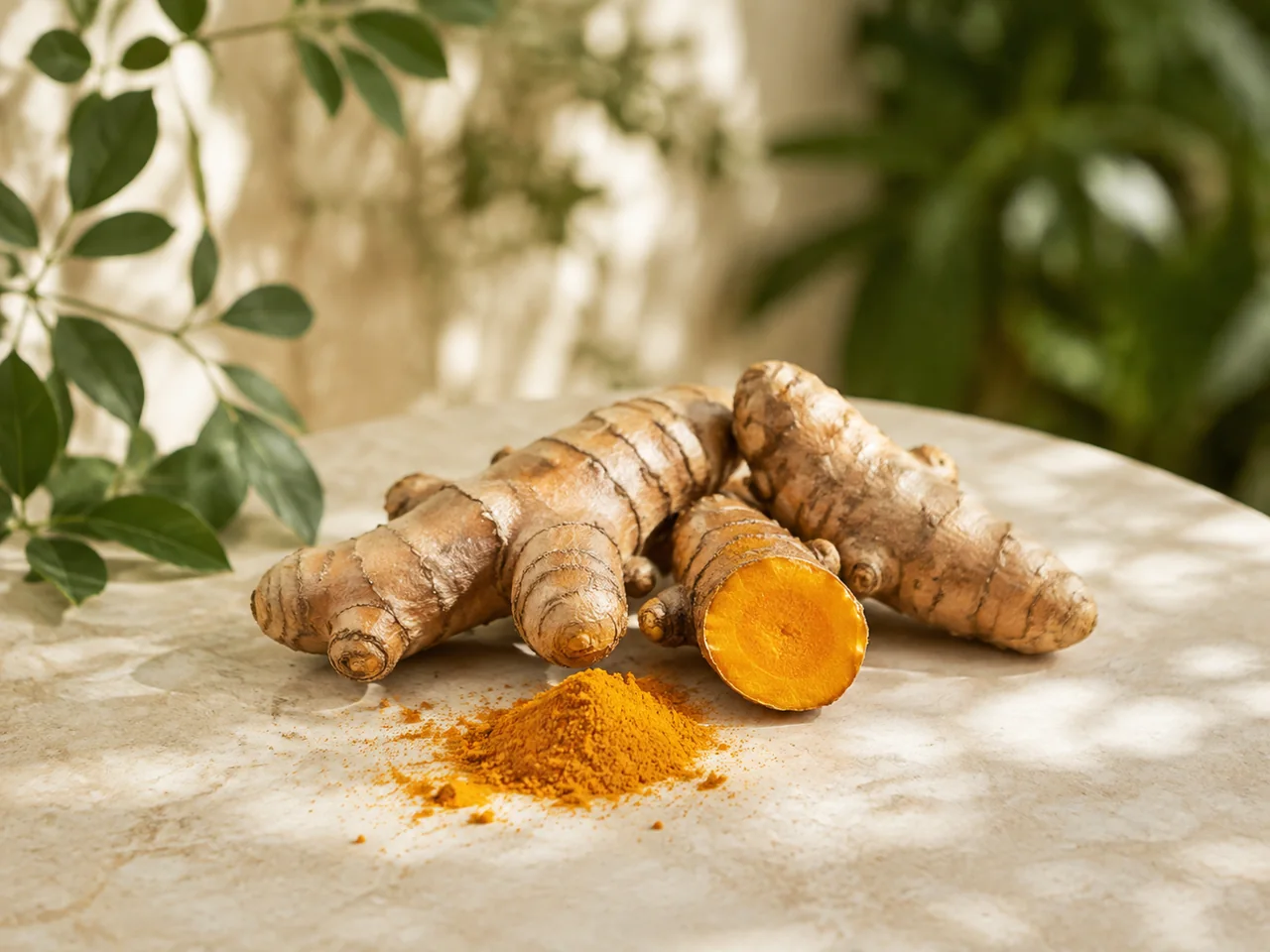 Spices & herbs
Turmeric
Curcuma longaA golden rhizome used in food traditions and studied for its curcuminoid compounds.
Open entry →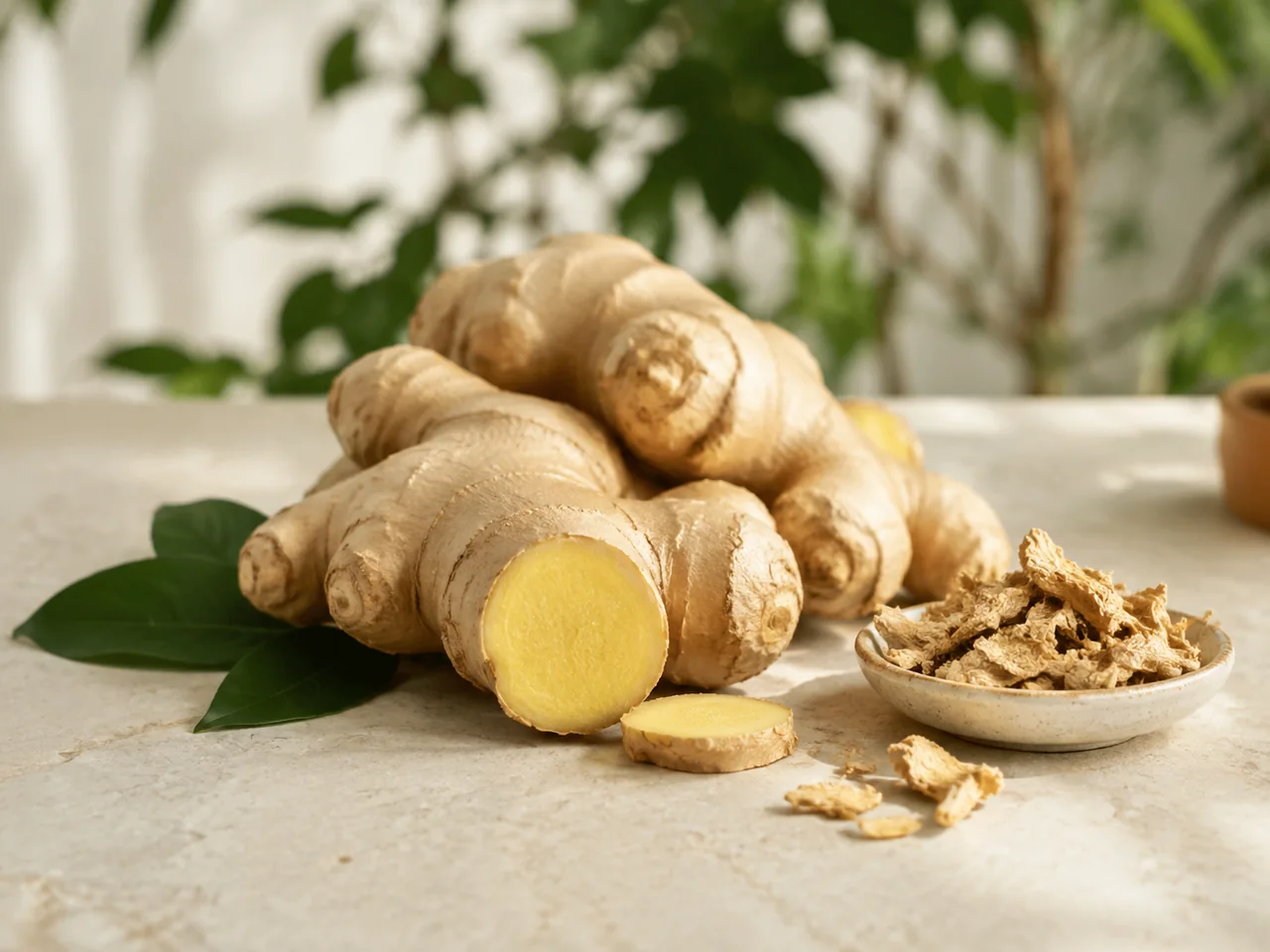 Spices & herbs
Ginger
Zingiber officinaleA warming culinary rhizome traditionally used for digestion and occasional nausea.
Open entry →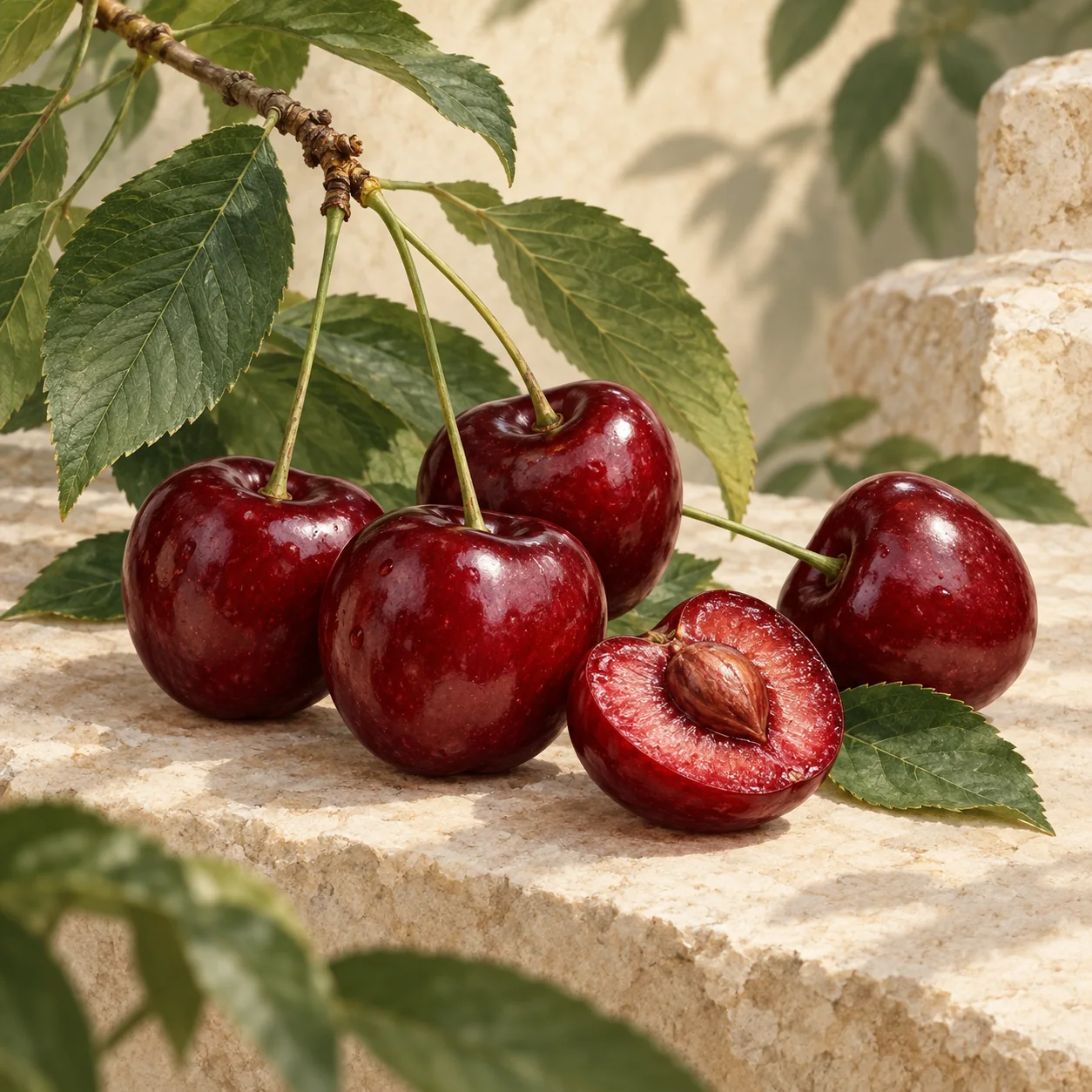 Berries & fruits
Tart Cherry
Prunus cerasus (Montmorency variety most studied)A specific tart cherry variety with real, targeted clinical trial support for gout specifically — more precise than the broad folk "cherries help arthritis" claim.
Open entry → Other wonders
Arnica
Arnica montanaA yellow Alpine wildflower with centuries of European folk use for bruising — topical only, and a genuinely different product from homeopathic arnica despite the shared name.
Open entry →