Barley: traditional food, modern nutrition and forms that matter
A complete guide to barley history, hulled and pearled forms, nutrition, beta-glucan evidence, cooking context and gluten safety.
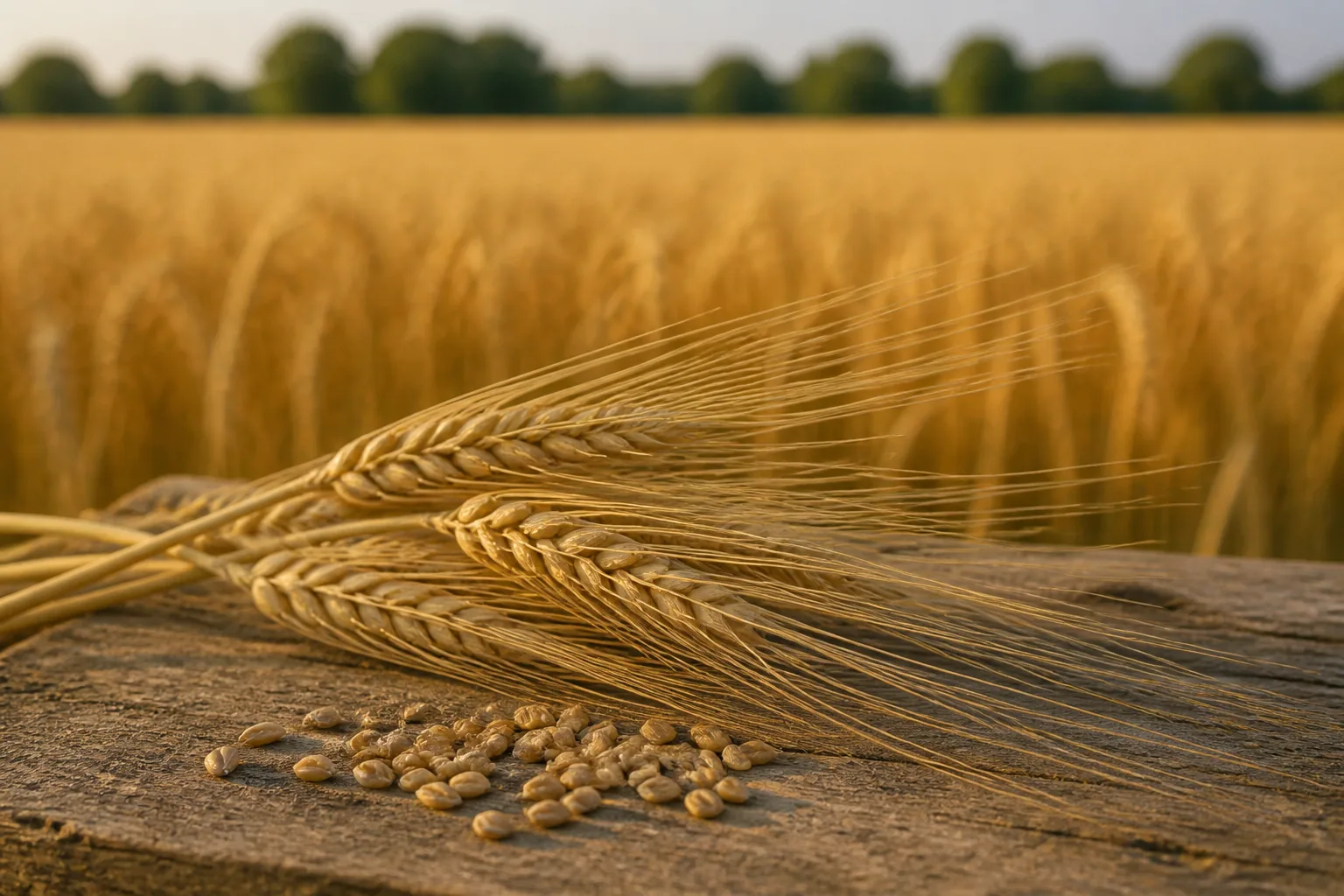
Barley is both an ancient staple and a modern whole-food ingredient. Understanding it begins with the exact form: hull-less and hulled barley retain the whole-grain structure, while pearling removes bran and changes classification, cooking time and fiber context.
An ancient grain with many food traditions
Archaeological and genetic research places barley among the earliest domesticated cereals. Across centuries it has appeared in porridges, breads, soups, roasted-grain preparations, fermented drinks and malted foods. Those food histories are valuable in their own right and should not be reduced to a modern supplement claim.
Hulled and pearled barley are not the same
Removing only the tough inedible hull can leave bran, germ and endosperm intact. Pearling polishes away some or all of the bran. Flakes and flour may start from either form, so labels matter more than the product name alone.
Food and nutrition context
USDA lists cooked pearled barley at 123 calories, 28.22 grams carbohydrate, 3.8 grams fiber, 2.26 grams protein and 0.44 grams fat per 100 grams. These figures describe that specific cooked reference food—not every barley product or household serving.
What human research says about beta-glucan
A systematic review and meta-analysis of 14 randomized trials found that diets enriched with barley beta-glucan lowered LDL and non-HDL cholesterol compared with control diets. Studies varied, and the finding should remain tied to the studied beta-glucan amounts and food formulations.