01
Why people use it
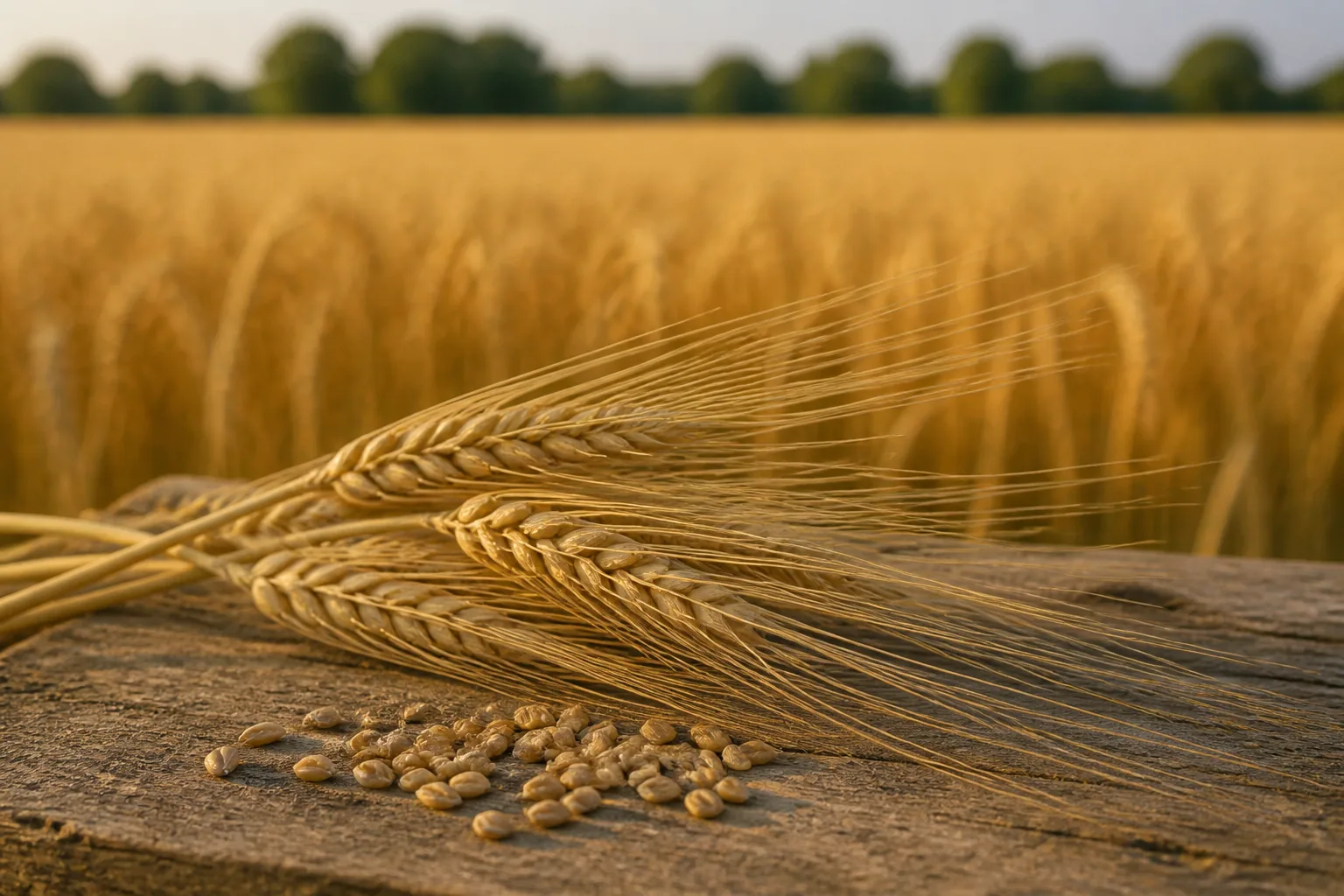
Barley is an ancient cereal grain used in porridges, breads, soups, drinks and malted foods; its form determines whole-grain status, fiber context and suitability.
- ✓Traditional staple food
- ✓Soups, porridges and grain bowls
- ✓Flour and baking
- ✓Malted foods and drinks
- ✓Beta-glucan fiber research
02
What the evidence says
Human trials have studied barley beta-glucan and blood lipids. A 2016 systematic review of 14 randomized trials reported lower LDL and non-HDL cholesterol with beta-glucan-enriched diets, but results apply to the studied amounts and products—not every barley food.
Hover, focus or tap each label for context.
These labels summarize the available context; they are not a clinical recommendation.03
Common forms
Hover, focus or tap a form to see what it means.
Barley forms are not interchangeable. Check the label for whole-grain status, serving-specific nutrition and gluten information.
04
Food and nutrition context
Cooked pearled barley contributes carbohydrate, fiber and protein. USDA FoodData Central reports values per 100 grams, but hulled, flour, flaked and branded products differ; use the product Nutrition Facts label for the amount actually eaten.
- Carbohydrate
- 28.22 g
- Dietary fiber
- 3.8 g
- Protein
- 2.26 g
- Total fat
- 0.44 g
- Iron
- 1.33 mg
- Magnesium
- 22 mg
USDA reference values are per 100 g of cooked pearled barley and are not a substitute for a product label.
USDA FoodData Central, FDC 170285 ↗Source checked September 7, 2026. Values are rounded.+
Traditional and practitioner context
Barley is among the oldest cultivated cereal crops. Archaeological and genetic evidence places early domestication in and around the Fertile Crescent, followed by wide movement through food cultures. Historical preparations include porridges, flatbreads, roasted grain, fermented drinks and malted foods.
Safety note
Know before you use it
Barley contains gluten and is not suitable for a gluten-free diet used to manage celiac disease. Read labels for barley, malt and related ingredients. Increase high-fiber foods gradually if needed and discuss major dietary changes with a qualified professional when managing a medical condition.
Read the complete Barley guide
A complete guide to barley history, hulled and pearled forms, nutrition, beta-glucan evidence, cooking context and gluten safety.
Open the full guideQuestions about Barley
Sources & review
- FoodData Central: Barley, pearled, cooked (FDC 170285)USDA
- Gluten and Food LabelingU.S. Food and Drug Administration
- Eating, Diet, & Nutrition for Celiac DiseaseNIDDK
- Barley beta-glucan and blood lipids: systematic review and meta-analysisPubMed
- Genetic evidence for a second domestication of barleyProceedings of the National Academy of Sciences