Whole spices, extracts and essential oils are not equivalent
Why preparation and concentration change how clove, black pepper, cumin and other familiar spices should be understood and used.
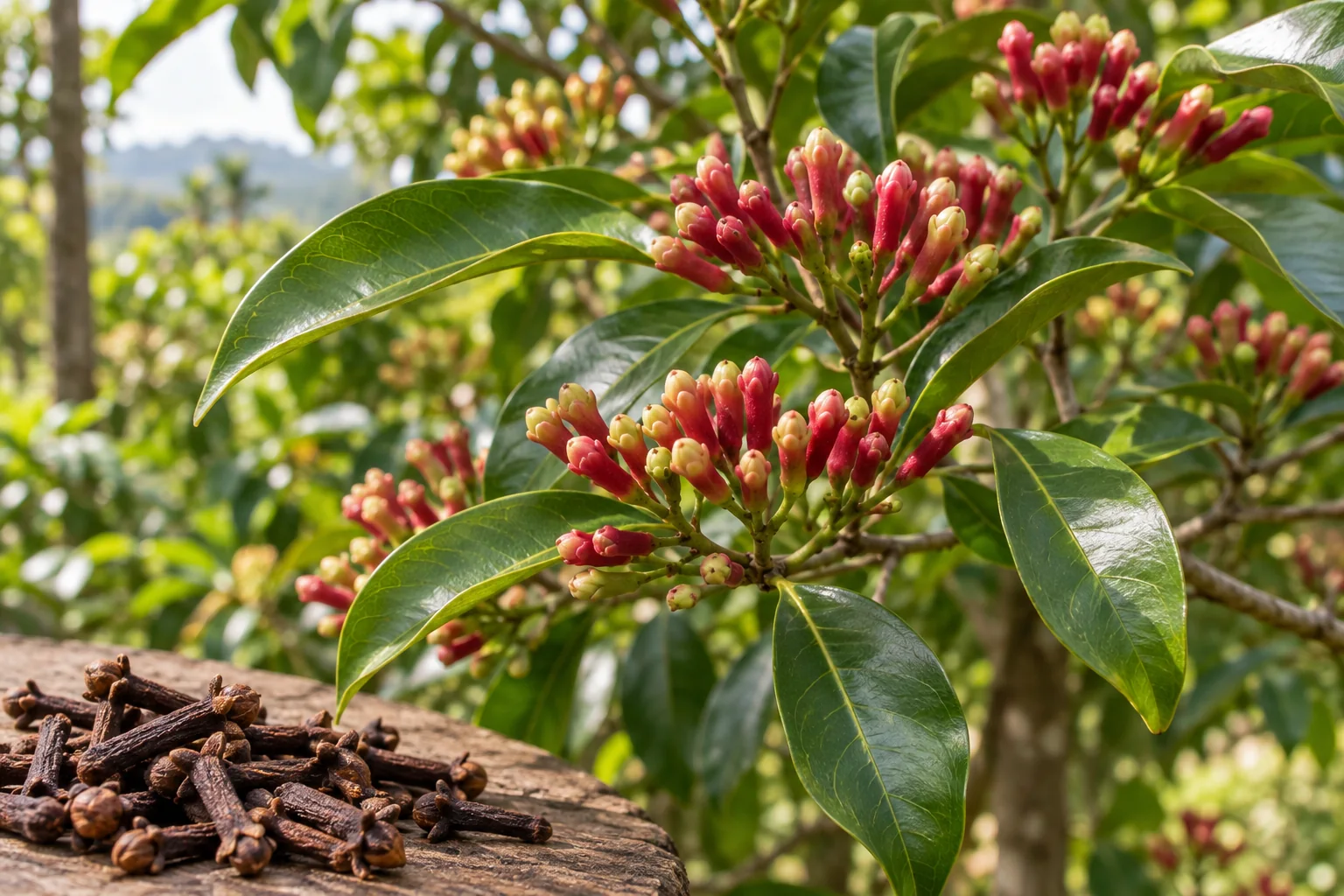
Clove, black pepper and cumin are ordinary foods with long global histories. Their essential oils, concentrated extracts and isolated constituents are not simply stronger versions of the same kitchen use. Form controls both evidence and safety.
Start with the whole culinary spice
Whole buds, peppercorns and dried cumin fruits contain complex mixtures used in relatively small food amounts. Grinding changes surface area and aroma, but it does not turn seasoning into an isolated compound.
Extracts concentrate selectively
Extraction method, ratio, solvent and standardization determine what a product contains. Evidence for one standardized product cannot automatically support every capsule, tincture or homemade preparation.
Essential oils require their own safety lane
Distilled volatile oils are concentrated exposures. Clove oil can cause serious toxicity when swallowed, and cumin oil should not be ingested or applied undiluted. Familiarity with the food does not establish oil safety.
Isolated constituents can change medicine handling
Piperine is studied partly because it can change absorption and metabolism. That property makes concentrated piperine materially different from seasoning food with black pepper.