The Vegan Supplementation Guide: What Actually Needs Supplementing
A food-first guide to which nutrients are genuine concerns on a plant-based diet, which are overstated, and how to actually evaluate a supplement once you decide you need one.
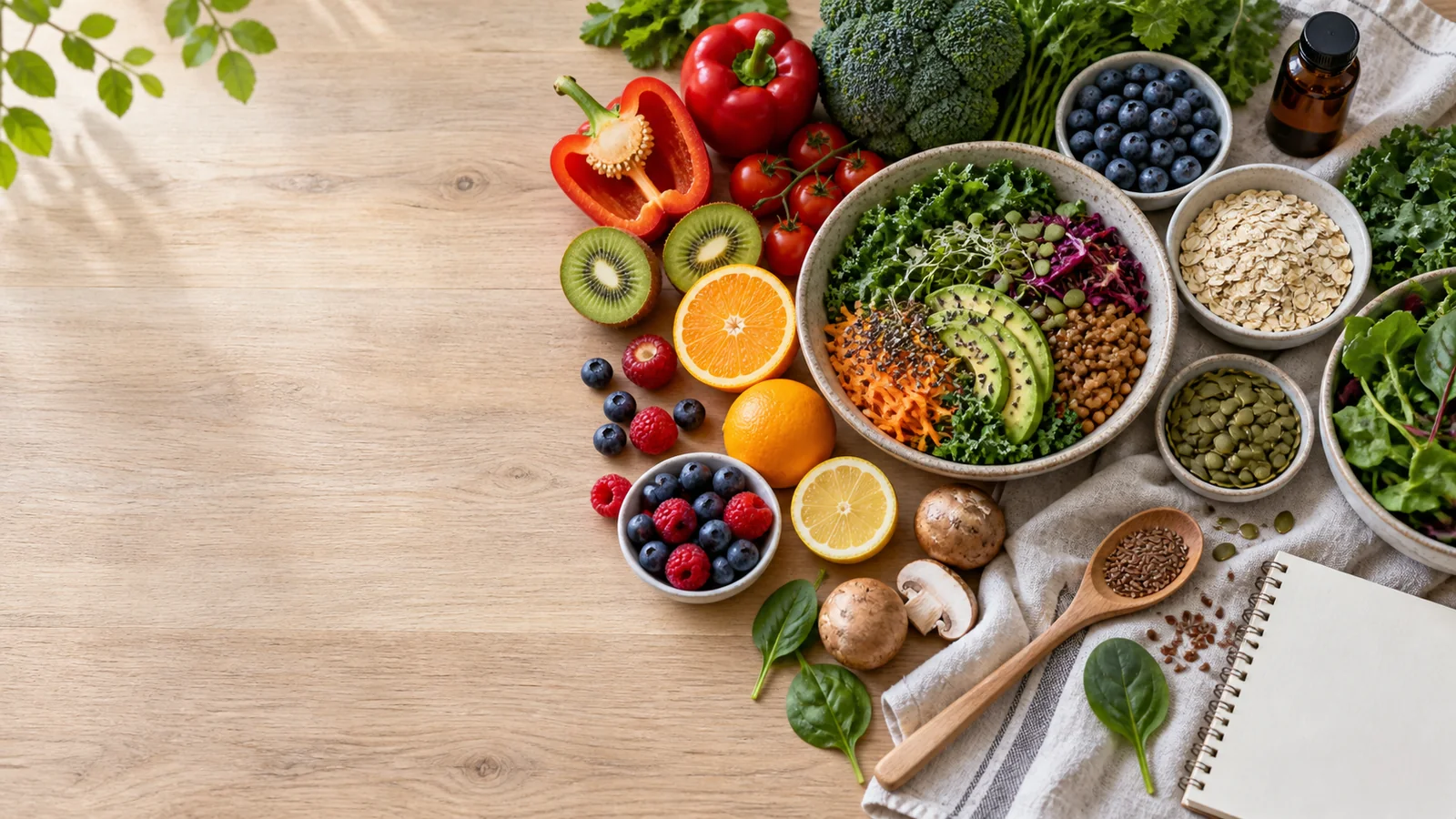
A well-planned plant-based diet can meet nearly every nutritional need -- but "well-planned" is doing real work in that sentence. Some nutrients genuinely need supplementation on a vegan diet. Others are treated as urgent when the evidence says otherwise. This guide sorts the thirteen most commonly discussed nutrients and products into what the actual research shows, not what supplement marketing assumes.
The genuine gaps: B12, iodine, and zinc
Three nutrients on this list have real, well-documented supplementation cases for vegans. Vitamin B12 is the clearest: it is not reliably present in unfortified plant foods at all, making supplementation close to universal advice for anyone eating fully plant-based. Iodine is a genuinely two-sided concern -- seaweed, the main plant source, varies so much in iodine content that both deficiency and excess are documented risks, not just a one-directional "eat more" story. Zinc is a bioavailability problem rather than an absence problem: plant foods contain zinc, but phytates in legumes and grains measurably reduce how much of it the body absorbs, which is why NIH itself recommends a higher intake target for vegans specifically.
Bioavailability nuances: calcium and selenium
Calcium and selenium share a pattern: the nutrient is genuinely present in plant foods, but how much of it you actually get depends enormously on which specific food and how much of it you eat. Spinach has plenty of calcium but releases almost none of it to the body because of its oxalate content, while low-oxalate greens like kale and bok choy actually out-absorb dairy. Selenium tells a stranger version of the same story: individual Brazil nuts have been measured varying in selenium content by more than a thousandfold, which makes a "handful a day" habit far less predictable than it sounds.
The one that's overstated: magnesium
Magnesium is worth naming specifically because it runs against the pattern of this whole list. NIH does not identify vegans as an at-risk group for magnesium deficiency -- the foods a varied plant-based diet already emphasizes (legumes, nuts, seeds, whole grains, leafy greens) are the same foods well-supplied with magnesium. Not every nutrient on a vegan supplement checklist deserves to be there.
The other well-established vitamin and fat considerations
Vitamin D3 from lichen and algal-source omega-3 DHA/EPA round out the vitamin and fatty-acid side of the guide -- both are genuine vegan-specific considerations with real evidence behind the specific alternative source, not just a workaround dressed up as equivalent.
Beyond vitamins and minerals: protein, gut health, and hydration
The last five entries in this guide are not classic vitamin-deficiency topics, but they come up constantly in vegan supplement conversations, each with its own real evidence and its own real caveat. Plant protein powder has genuine clinical-trial evidence behind pea-rice blends performing comparably to whey. Prebiotic fiber and probiotics are a natural pair, but each has a distinct nuance worth knowing -- prebiotic research doses are well above typical food intake, and fermented foods are not automatically the same thing as a clinically studied probiotic strain. Greens powder and electrolytes are the two entries here worth the most skepticism: greens powder's proprietary blends make it genuinely hard to know what you're getting, and electrolyte supplementation is more oversold for routine exercise than endurance-sport research actually supports.